How to Create a High-Converting Landing Page That Gets More Sales
A high-converting landing page can transform any business. When done well, it turns visitors into loyal customers. Every click, scroll, and interaction counts. That’s why understanding landing page design and landing page optimization is key to boosting conversion rate and sales.
Many businesses overlook the power of a landing page. They assume any page will work, but a poorly designed landing page loses potential customers fast. We know that a strong, high-converting landing page grabs attention, builds trust, and guides visitors to act.
What Is a Landing Page?
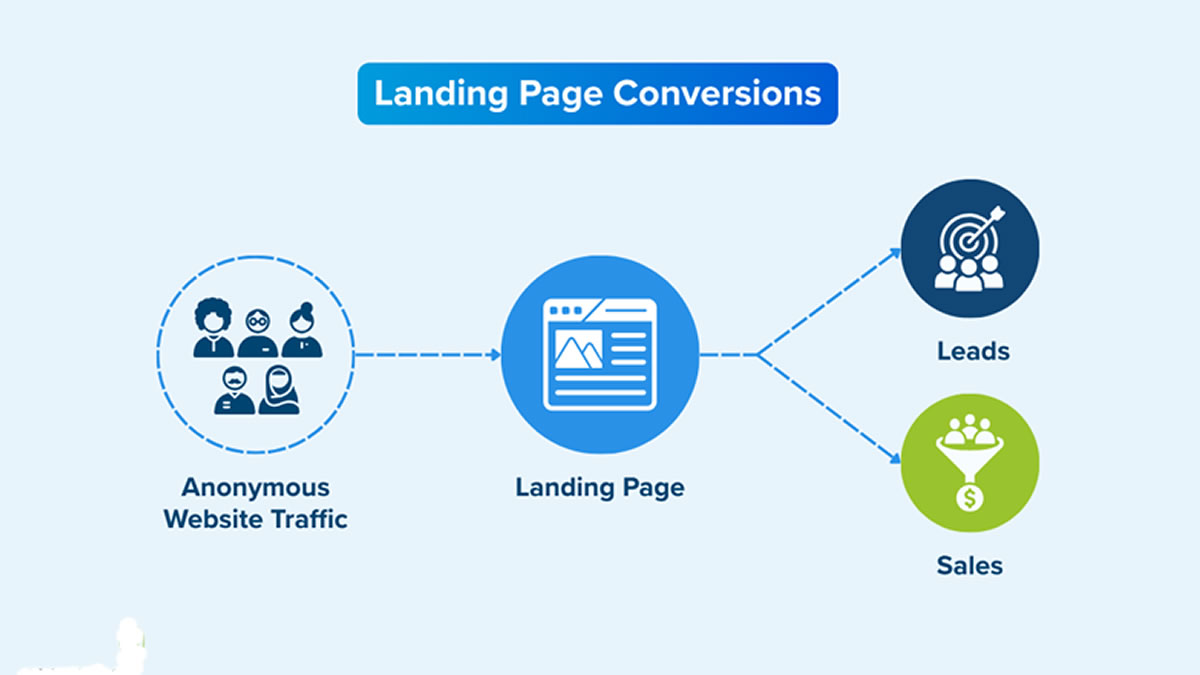
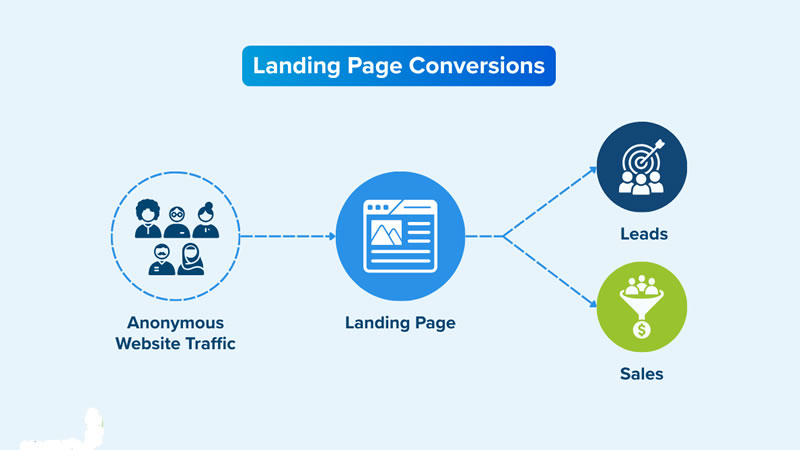
A landing page is a focused page designed to drive one specific action, such as signing up, purchasing, or downloading. Unlike a homepage, it removes distractions and guides visitors directly toward the goal.
Think of a landing page as a shop window. Visitors see exactly what they need without wandering. The simpler and clearer the page, the better the results. Using landing page examples from top brands helps in designing an effective page.
Why Businesses Need a High-Converting Landing Page
A high-converting landing page increases sales, captures leads, and strengthens trust. Without one, visitors leave quickly, and opportunities vanish.
A well-optimized landing page creates a strong first impression. Showing social proof, customer reviews, and trust signals reassures visitors. Highlighting your unique selling proposition and including clear call-to-action buttons pushes visitors closer to conversion.
Types of High-Converting Landing Pages
Not every landing page works the same. Choosing the right type can affect conversion rate.
Minimalist Landing Pages focus on text and a few images. They are clear and fast.
Long-form landing Pages provide more details for high-involvement products. Extra copy reduces hesitation.
Video Landing Pages combine storytelling and persuasion. Videos explain benefits quickly, boosting engagement.
Analyzing landing page examples shows which formats work best for each product and audience.
Read more 6 AI Projects and Data Science Projects to Build an Impressive Portfolio
How to Build a High-Converting Landing Page
Creating a high-converting landing page requires research, planning, and smart design. Following a structured approach ensures success.
Step 1: Conduct Market Research
Market research is the foundation of a high-converting landing page. It reveals what visitors want, their pain points, and how to reach them effectively.
Study competitor landing pages, analyze trends, and note what drives engagement. Define the target audience and tailor the landing page content to their needs. Effective research improves landing page optimization and overall conversion rate.
Step 2: Design the Landing Page
Design should grab attention and guide visitors toward the desired action. Every section matters, from hero headlines to CTA buttons.
Start with a clear hero section showing your product’s purpose. Highlight the unique selling proposition (USP) to explain why visitors should choose your product. Use social proof like customer reviews or ratings. Place a clear call to action above the fold and at strategic points. Even small adjustments to landing page design can improve conversion rate.
Step 3: Optimize Key Metrics
Tracking performance is critical. Metrics reveal what works and what doesn’t.
- Conversion Rate: Measures the percentage of visitors completing the desired action. A/B testing different headlines, images, or CTA buttons improves results.
- Bounce Rate: Shows how many visitors leave without interacting. Reducing bounce rate by improving page load speed and mobile design keeps visitors engaged.
- Scroll Depth: Indicates how far visitors scroll. Adjust content placement to keep them moving toward the CTA.
- Page Load Speed: A slow page can hurt conversions. Optimize images, caching, and use a content delivery network for faster loading.
Continuous tracking ensures better landing page optimization and a higher conversion rate.
Read more The Future of Freelancing: What’s Really Coming Next
Step 4: Match Keyword Intent
Understanding keyword intent ensures the landing page meets visitor needs. Informational, navigational, and converting intent keywords guide design and copy.
- Informational Intent: Visitors seek knowledge. Include helpful content that educates and builds trust.
- Navigational Intent: Visitors know what they want. Use clear headings and landing page examples to guide them.
- Converting Intent: Visitors want to act. Include a strong call to action, product benefits, and easy checkout options to maximize conversion rate.
Incorporating SEO keywords naturally across the page helps attract the right audience.
Real Landing Page Examples That Work
Top brands show how a high-converting landing page looks in action.
- Airbnb: Simple design, bold visuals, and a clear call to action. Users know exactly what to do.
- Slack: Highlights its core benefit with a concise CTA and strong unique selling proposition.
- Netflix: Focuses on flexible trials, matching visitor intent.
Studying landing page examples reveals that clarity, trust, and strong landing page design lead to a higher conversion rate.
Final Tips for High-Converting Landing Pages
Keep pages simple. Every element should push visitors to act. Test and improve regularly. Focus on visitor needs, not just visuals.
Use testimonials, social proof, and clear CTAs. Place CTAs strategically, simplify forms, and highlight benefits. Regular A/B testing and analyzing landing page optimization metrics ensure continuous improvement in conversion rate.
Q1: What is a landing page, and why is it important?
A landing page is a focused page designed to guide visitors toward one action. It removes distractions, builds trust, and improves conversion rate, making it essential for sales growth.
Q2: How do I design a landing page that converts?
Use a strong hero section, concise landing page content, clear CTA buttons, and highlight your unique selling proposition. Include social proof to reassure visitors.
Q3: Which types of landing pages boost conversions?
Minimalist text pages, long-form pages, and video landing pages all increase engagement. Testing different landing page design formats shows what converts best.
Q4: Which metrics should we track for landing page success?
Conversion rate, bounce rate, scroll depth, and page load speed show visitor behavior. Using this data for landing page optimization improves results.
Q5: How can we use keywords naturally on a landing page?
Focus on visitor intent. Include a high-converting landing page, landing page, conversion rate, call to action, and related keywords in headings and copy while keeping it readable.