How the Internet of Things Is Transforming Smart Cities Today?
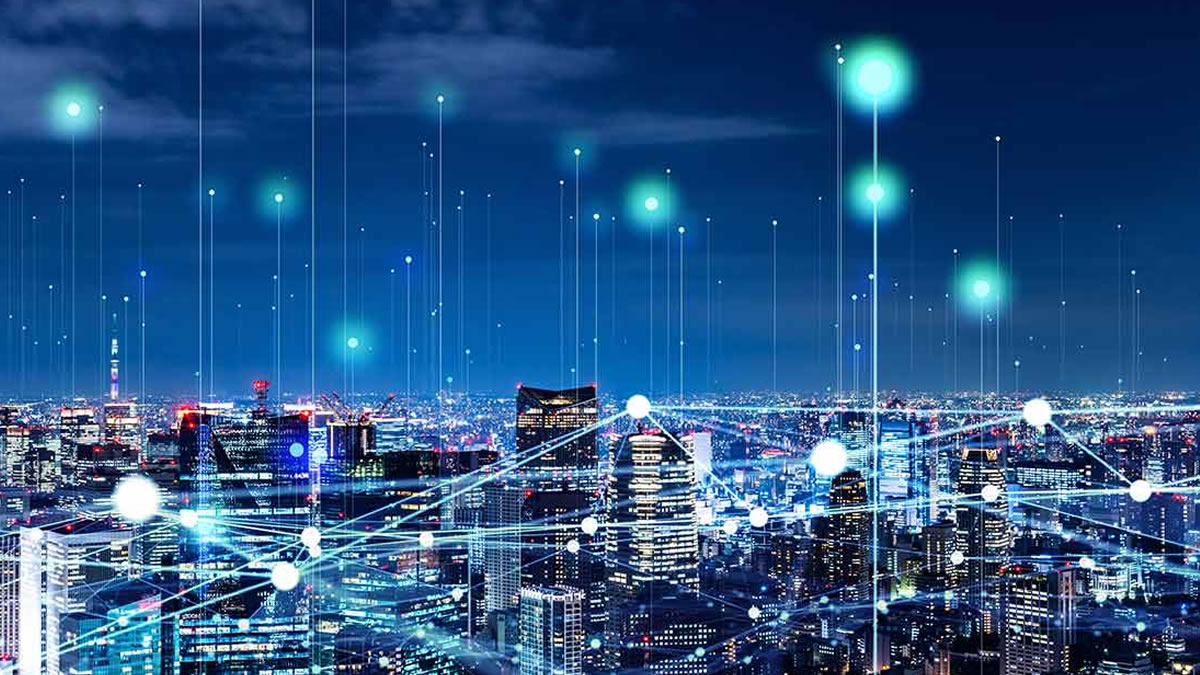
Every day, more devices connect to the Internet of Things. This growing network is changing the way cities operate. From traffic lights to energy systems, the impact of IoT on urban life is becoming impossible to ignore.
A smart city uses technology to make life easier for residents. Sensors, apps, and connected devices help manage everything from street lighting to waste collection. By using IoT-enabled devices, cities can monitor conditions in real time and respond faster to problems.
What Makes a City Smart
Smart cities focus on improving efficiency, reducing waste, and enhancing the quality of life. Energy grids, water systems, public transportation, and air quality are all easier to manage with IoT sensors.
For example, street lights can adjust based on traffic or pedestrian movement. This reduces energy use and keeps neighborhoods safer. Similarly, connected traffic systems can monitor congestion and adjust signals automatically, cutting commute times.
How IoT Improves Transportation
Traffic congestion is a major urban problem. Using IoT-enabled devices, cities can collect data on vehicle flow and adjust traffic lights in real time. Smart parking systems let drivers find empty spaces through apps. This reduces time spent circling blocks and lowers emissions.
Public transport benefits as well. Sensors on buses or trains track location and passenger volume. The data helps adjust schedules, ensuring smoother trips for commuters. IoT makes these adjustments automatic, keeping transportation systems more reliable.
Energy and Smart Infrastructure
A key part of any smart city is its infrastructure. Buildings, roads, and energy grids work better when connected to the Internet of Things. Smart grids can track electricity use and prevent overloads. Energy-efficient buildings save money and reduce carbon emissions.
Even small changes, like installing IoT sensors in heating or cooling systems, can have a big impact. By knowing exactly when and where energy is needed, cities cut waste and make better use of resources.
Read more 8 Medical Breakthroughs That Changed the World Forever
Air Quality and Environmental Monitoring
Pollution is a growing concern in urban areas. IoT sensors can detect air quality in real time. Cities can then adjust traffic, restrict certain vehicles, or alert citizens to dangerous conditions.
Water systems can also benefit. Sensors track leaks, usage, and contamination. This ensures cleaner water and faster responses to potential problems. With the Internet of Things, environmental monitoring becomes more precise and timely.
Waste Management and Public Services
Garbage collection is another area improved by IoT-enabled devices. Sensors in bins notify collection teams when they are full. This prevents overflow and optimizes collection routes, saving fuel and labor costs.
Other public services, like emergency response, also gain from IoT. Data from sensors can guide police or medical teams to the exact location of incidents faster than ever before.
Read more 6 Healthy Habits That Help You Stay Motivated and Productive
Real-Life Examples of Smart Cities
Cities around the world are already using IoT in practical ways. San Francisco monitors traffic and parking. Tokyo uses connected sensors to improve energy efficiency in buildings. Toronto tracks public transit and air quality. Denver applies smart city technology to waste management and street lighting.
These examples show that the Internet of Things is not a future idea. It is already shaping urban life in meaningful ways.
Challenges and Future of IoT in Smart Cities
Implementing IoT in cities comes with challenges. Privacy, security, and the high cost of infrastructure are common concerns. However, the benefits often outweigh the risks.
By 2025, the number of connected devices is expected to reach 30 billion. Cities investing in smart infrastructure now are preparing for a future where data drives decisions. The continued growth of IoT-enabled devices will make urban life more efficient, safe, and convenient.
Read more about IoT in Smart Cities
Conclusion
The Internet of Things is transforming smart cities by connecting devices, optimizing resources, and improving services. From traffic management to energy use, the potential of IoT is visible in everyday life. Cities adopting these technologies are setting new standards for efficiency and convenience.
What is a smart city?
A smart city uses technology to improve efficiency and quality of life. IoT devices monitor and manage systems like traffic, energy, and waste in real time. Smart cities aim to save resources and make daily life easier for residents.
How does IoT improve traffic management?
IoT sensors track vehicle flow and adjust traffic lights automatically. Smart parking systems show available spaces in real time. This reduces congestion, travel time, and carbon emissions in busy urban areas.
Can IoT help reduce energy usage?
Yes, IoT-enabled devices track energy consumption in buildings and grids. Smart systems adjust lighting, heating, and cooling to cut waste. Cities and residents save money while lowering environmental impact.
Which cities use IoT technology now?
San Francisco, Toronto, Tokyo, Denver, and Pittsburgh are using IoT to manage traffic, energy, and public services. These cities demonstrate the practical benefits of smart technology in daily operations.
Is IoT safe for public use?
Security and privacy are concerns, but proper measures reduce risks. Data from IoT devices is usually encrypted and monitored. When implemented carefully, IoT can safely enhance city management and services.