
How AI Is Transforming Threat Detection in Cybersecurity
In today’s digital world, AI in threat detection has become essential for organizations. Cybercriminals constantly evolve, making traditional methods insufficient. AI-powered threat detection helps security teams spot suspicious activities before they cause damage, improving overall cybersecurity.
Why AI Matters in Modern Threat Detection
AI in cybersecurity is crucial because it automates the identification and mitigation of cyber threats. Traditional systems struggle with massive data streams, but machine learning for cybersecurity can analyze patterns quickly. By combining human expertise with AI algorithms for security, organizations can respond faster to incidents and reduce the risk of breaches.
How AI Detects Evolving Cyber Threats
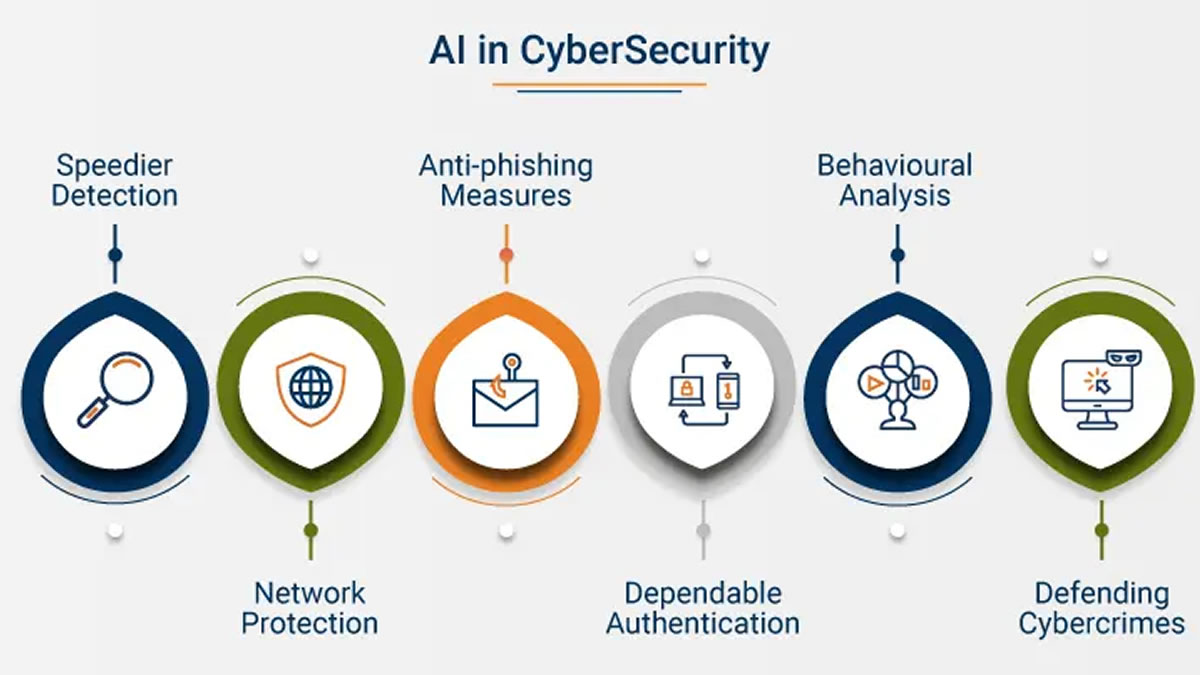
AI-powered threat detection works by monitoring networks, endpoints, and user behavior. It recognizes anomalies that indicate malware, phishing, or ransomware attacks. Cybersecurity threat detection benefits from AI’s ability to analyze data at a scale that humans cannot match. As attacks grow more complex, AI algorithms for security adjust and identify hidden risks efficiently.
Key AI Capabilities in Cybersecurity
Machine learning for cybersecurity allows systems to learn from previous attacks. This adaptive learning reduces false positives and refines detection over time. AI in threat detection also provides predictive analytics, enabling teams to anticipate future threats. Real-time threat detection ensures rapid response, minimizing the impact of attacks. AI-powered threat detection strengthens defenses across networks, endpoints, and cloud environments.
Read more How the Internet of Things Is Transforming Smart Cities Today?
AI Methods for Threat Detection
Security teams use several AI methods for cybersecurity threat detection. Anomaly detection systems flag unusual behavior. Heuristic-based threat detection identifies unknown malware variants. Signature-based approaches stop known threats, while advanced AI algorithms for security handle complex attacks. Combining these methods ensures a robust approach to digital safety.
Data Handling in AI Threat Detection
Collecting and processing large data sets is key to machine learning for cybersecurity. Network logs, system events, and user activity provide insights. AI in threat detection filters irrelevant information, identifies patterns, and alerts teams to potential threats. This continuous monitoring improves accuracy and helps manage increasing attack volumes.
Training AI Models for Security
Developing effective AI-powered threat detection systems requires careful model training. Teams define the type of threats, prepare data, and train machine learning algorithms for cybersecurity. Continuous testing ensures AI in threat detection remains effective against evolving cyber risks. Well-trained models reduce false alarms and improve response efficiency.
Read more 8 Medical Breakthroughs That Changed the World Forever
Integrating AI with Existing Systems
Organizations often combine AI in threat detection with existing cybersecurity infrastructure. Hybrid models mix traditional rule-based systems with AI algorithms for security. This approach enhances accuracy and speeds up response. AI-powered threat detection works alongside firewalls, intrusion detection systems, and endpoint protections to create a stronger defense.
Real-Time Processing and Scalability
Modern AI in cybersecurity allows real-time monitoring of network traffic and endpoints. Systems scale to handle large data volumes and provide immediate alerts. Real-time threat detection ensures security teams act quickly, preventing minor incidents from escalating into significant breaches.
Applications of AI in Cybersecurity
AI-powered threat detection is used across industries. In network security, it monitors traffic for anomalies and intrusions. For endpoint security, AI identifies malware and unauthorized access. In financial services, AI helps with fraud detection and transaction monitoring. Retail and e-commerce also rely on AI in threat detection to protect sensitive customer data.
Read more 6 Healthy Habits That Help You Stay Motivated and Productive
Challenges and Ethical Considerations
While AI in cybersecurity is powerful, it faces challenges. Data bias can affect accuracy, and privacy concerns require careful handling. Teams must follow ethical guidelines and compliance standards like GDPR. Regular evaluation ensures AI-powered threat detection remains fair and reliable.
The Future of AI in Threat Detection
Experts predict AI will continue to improve cybersecurity threat detection. Deep learning and predictive analytics will enhance early detection. Machine learning for cybersecurity may integrate with quantum computing to process data faster. Overall, AI in threat detection will adapt to ever-changing cyber threats, making digital environments safer.
What is AI in threat detection?
AI in threat detection uses machine learning and AI algorithms to identify and respond to cyber threats. It helps security teams detect anomalies, malware, and other risks in real-time, improving overall cybersecurity and reducing the chances of successful attacks.
How does AI improve cybersecurity threat detection?
AI improves cybersecurity threat detection by analyzing large datasets, spotting patterns, and predicting potential threats. It reduces false positives and speeds up response times, allowing teams to focus on genuine risks and strengthen digital defenses.
What are common AI methods for threat detection?
Common AI methods include anomaly detection systems, heuristic-based detection, signature-based approaches, and advanced AI algorithms. Each method targets different types of cyber threats, creating a multi-layered security approach.
Can AI detect zero-day threats?
Yes, AI in threat detection can detect zero-day threats by recognizing unusual behavior and patterns in system and network data. Machine learning models continuously learn from past incidents to identify previously unknown attacks.
Is AI-powered threat detection ethical?
AI-powered threat detection can be ethical when teams ensure data privacy, avoid bias, and comply with regulations like GDPR. Transparency and continuous monitoring are key to responsible AI use in cybersecurity.