Climate Change Explained: Causes, Effects, and How You Can Make a Difference
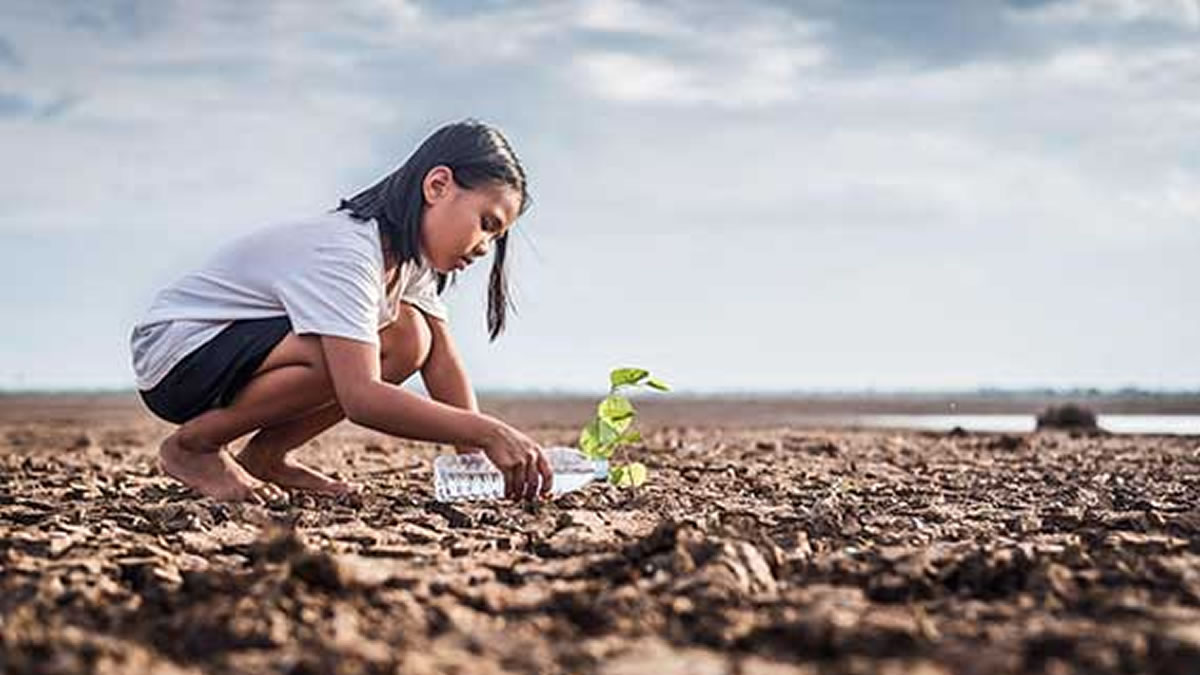
Climate is changing fast, and the Global climate shift affects all of us. From rising temperatures to shifting weather patterns, the world is feeling the impact. Understanding climate change is the first step toward protecting our planet and reducing carbon emissions.
What is Climate Change?
Global climate shift is the long-term alteration of Earth’s usual weather patterns. Global warming is one part of this bigger picture, causing surface temperatures to rise over time. While the weather fluctuates daily, climate change measures trends across years, decades, or even centuries.
Climate depends on many factors, such as latitude, elevation, and proximity to oceans. When these patterns shift, it disrupts ecosystems, human health, and animal habitats. Scientists track changes using temperature records, precipitation data, and other climate indicators to understand how global warming drives these shifts.
Why Does Climate Change Matter?
Global climate shift affects our daily lives and natural systems. Rising sea levels threaten coastal communities, while droughts and heatwaves reduce food and water security. Extreme weather events like floods and wildfires are becoming more frequent, showing the urgent need for climate action.
The health of animals and ecosystems also depends on a stable climate. Changes in ocean temperatures and melting ice sheets endanger marine life. Land animals must adapt or migrate, creating competition and threatening biodiversity. Understanding these effects is key to reducing environmental impact.
Read more Mindfulness at Work: How to Boost Focus and Productivity
What Causes Climate Change?
Human activity is the main driver of recent Environmental change. Burning fossil fuels releases greenhouse gases like carbon dioxide, methane, and nitrous oxide. These gases trap heat in the atmosphere, leading to global warming.
Natural factors also influence climate. Variations in Earth’s orbit, solar activity, and volcanic eruptions have historically caused temperature shifts. However, human-caused carbon emissions now accelerate changes far faster than natural processes.
Urban development also contributes. Cities with dark surfaces absorb more heat, while deforestation reduces the planet’s ability to absorb carbon dioxide. Together, these human activities create a warming effect that affects local, regional, and global climates.
How Does Climate Change Affect Humans?
Climate change impacts agriculture, water resources, and public health. Droughts reduce crop yields, while floods and storms damage infrastructure and homes. Air quality worsens as pollution and heat increase, posing risks to human health.
Rising sea levels threaten low-lying areas, displacing communities and creating economic challenges. Extreme weather events like hurricanes, heatwaves, and wildfires cause loss of life and property. Adapting to these changes requires both immediate and long-term climate action.
Read more Startup Marketing Strategy: Ideas That Deliver Real Results
How Does Climate Change Affect Animals and Nature?
Animals feel the impact of Environmental change through habitat loss and changing ecosystems. Oceans absorb heat, melting ice sheets and raising sea levels. Marine life struggles as acidification disrupts food chains and habitats.
Land animals face competition as habitats shift. Wetlands and forests are at risk, forcing species to migrate or face extinction. Maintaining biodiversity is essential for healthy ecosystems, which are vital for human survival and reducing environmental impact.
Are Climate Change and Global Warming the Same?
Global warming is one part of climate change. It focuses on rising temperatures caused mainly by greenhouse gases from human activity. Climate change includes all long-term changes in weather patterns, including precipitation, storms, droughts, and rising sea levels.
Think of global warming as the heat beneath the umbrella of Environmental change. While temperatures rise, the broader effects influence ecosystems, water resources, and daily life worldwide.
Read more 9 Video Marketing Ways to Improve ROI
How Can You Make a Difference?
It’s not too late to act. Reducing your carbon footprint helps slow climate change. Switching to renewable energy, like solar or wind, limits carbon emissions. Planting trees, choosing local foods, and supporting carbon offset programs all contribute to climate action.
Small changes add up. Driving less, using energy-efficient appliances, and avoiding products with high environmental costs all help reduce your environmental impact. Every effort counts toward a more stable climate and a healthier planet.
Why Businesses Should Take Climate Action
Companies can play a big role in reducing carbon emissions. Switching to clean energy, improving energy efficiency, and tracking carbon footprints are effective strategies. Businesses that address climate change also protect their long-term viability and community well-being.
Individuals and businesses together can slow global warming. Educating others about Climate disruption encourages wider climate action and helps preserve natural systems.
Q1: What is the main cause of climate change?
Human activities are the primary cause of Climate disruption, mainly due to burning fossil fuels that release greenhouse gases like carbon dioxide, methane, and nitrous oxide, which trap heat in the atmosphere and drive global warming.
Q2: How does climate change affect oceans?
Climate change warms oceans, melts polar ice sheets, and raises sea levels. Ocean acidification also threatens marine life, disrupting food chains and impacting biodiversity in coastal and marine ecosystems.
Q3: What are the effects of climate change on humans?
Climate change causes extreme weather, heatwaves, floods, and storms. It affects food and water security, increases health risks, and threatens communities, especially in low-lying coastal areas.
Q4: How can individuals reduce their carbon footprint?
Individuals can reduce their carbon footprint by using renewable energy, driving less, planting trees, eating local foods, and supporting carbon offset programs to help limit environmental impact.
Q5: Are climate change and global warming the same?
Global warming refers to rising surface temperatures caused by human activity. Climate change is broader, covering all long-term weather changes, including storms, precipitation shifts, and rising sea levels.