Augmented Reality in Manufacturing: Real Industrial Uses
The industrial and manufacturing world is changing fast. Augmented reality in industrial applications is helping companies improve training, maintenance, and production. By overlaying digital information on the real world, AR in manufacturing is making processes faster, safer, and more precise.
Augmented reality in manufacturing allows workers to see instructions and data directly on machines. This reduces errors and increases efficiency. Platforms like Unity Industry make creating industrial AR solutions easier for companies of all sizes.
What is Augmented Reality?
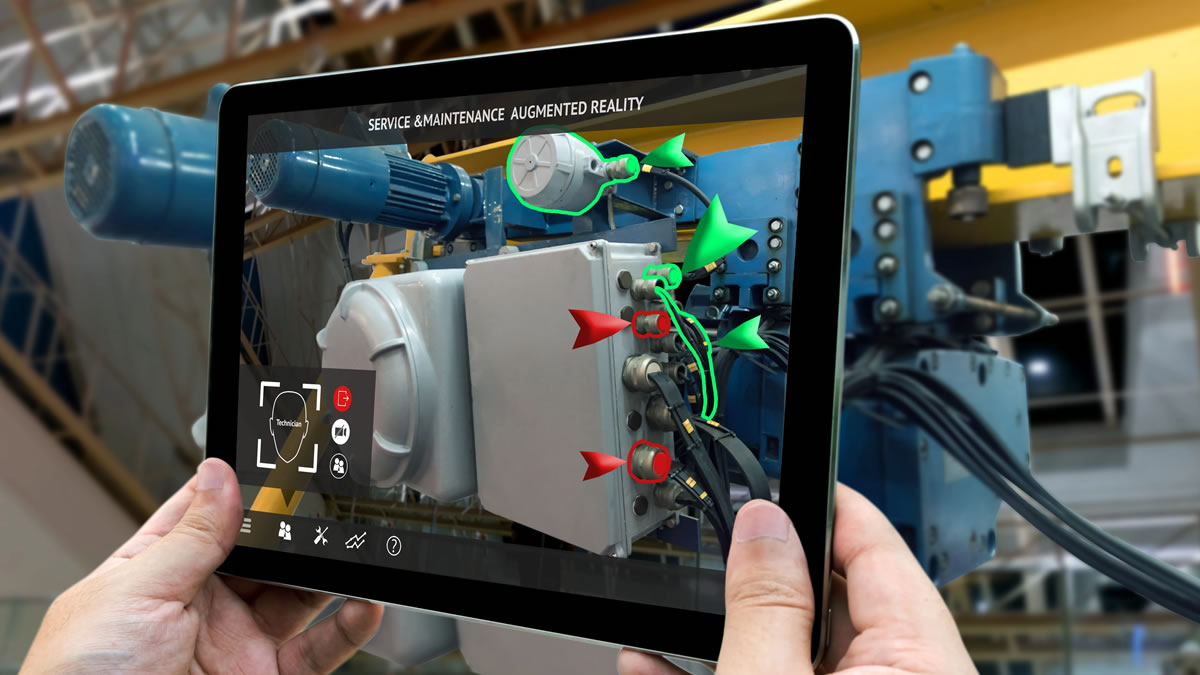
Augmented reality in industrial applications overlays digital elements such as text, 3D models, and videos onto the real world. Unlike virtual reality, it doesn’t replace your surroundings. It adds useful data. In factories, this can include step-by-step repair instructions, safety alerts, or real-time equipment monitoring.
By using industrial augmented reality, workers no longer need to flip through manuals or pause operations. Everything appears in their field of view. This speeds up decision-making and keeps operations smooth.
How Does AR Improve Training and Maintenance?
AR-based training allows new workers to learn complex tasks quickly. For example, a technician can follow visual guides directly on a machine. This hands-on approach reduces mistakes and builds confidence. Companies like Taqtile use industrial AR solutions for training frontline employees, showing clear results in productivity.
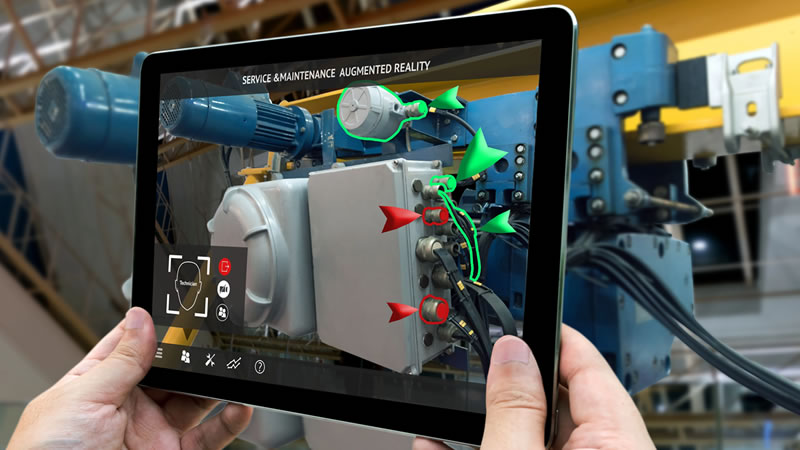
For maintenance, AR in manufacturing provides an X-ray view of machines. Technicians see sensor data, maintenance history, and repair steps in real time. This minimizes downtime and improves overall equipment efficiency.
Read more Climate Change Explained: Causes, Effects, and How You Can Make a Difference
Can AR Help Product Design and Prototyping?
Augmented reality in manufacturing transforms design. Engineers and designers can visualize real-time 3D experiences of products and production lines. They can identify flaws before building physical prototypes, saving time and cost. Teams can collaborate remotely, sharing live annotations and feedback on designs.
By integrating AR in industrial environments with tools like Unity Industry, companies streamline prototyping and testing. Interactive visualization reduces errors and improves workflow efficiency.
What About Safety and Risk Management?
Safety in manufacturing is critical. Industrial augmented reality can highlight hazardous zones and display alerts directly in a worker’s view. This keeps employees aware of risks without stopping operations. Integrating AR in industrial applications into safety procedures lowers accidents and improves overall compliance.
AR also helps monitor processes. Real-time overlays ensure workers follow the correct procedures. This reduces product defects, prevents accidents, and supports quality standards.
Read more Mindfulness at Work: How to Boost Focus and Productivity
How Does Unity Support Industrial AR?
Unity Industry provides the tools to convert CAD and 3D models into interactive AR applications. Companies can deploy industrial AR solutions across multiple devices, from tablets to AR headsets. The platform supports real-time collaboration, design reviews, and maintenance guidance, all in one ecosystem.
By creating real-time 3D experiences, Unity helps teams simulate operations, test prototypes, and train employees efficiently. Cross-device compatibility ensures manufacturers aren’t tied to a single system.
Emerging Trends in Industrial AR
The industrial sector is exploring new trends. Augmented reality in industrial applications is increasingly used with digital twins to visualize real-time machine performance. Wearable devices make AR more accessible, even in harsh environments. Integration with AI and IoT allows data-driven decision-making, improving efficiency and reducing downtime.
The industrial metaverse is another development. AR in manufacturing enables immersive simulations of production lines, helping teams plan and test virtually before implementing changes on the floor. These trends point to a more connected and efficient future.
Read more Startup Marketing Strategy: Ideas That Deliver Real Results
How to Implement AR in Manufacturing?
Start by assessing your needs. Identify areas where AR in industrial environments can improve training, maintenance, or collaboration. Partner with experienced developers who understand industrial workflows. Pilot programs allow testing in controlled settings before full deployment.
Training is essential. Workers must understand how to use industrial AR solutions effectively. Continuous monitoring ensures systems perform well and provide measurable ROI.
What is the main benefit of augmented reality in manufacturing?
The main benefit of augmented reality in manufacturing is faster and safer operations. It helps workers follow visual instructions, reduces errors, and improves efficiency on the shop floor. Companies can also monitor machines in real time.
How does AR help with industrial training?
AR-based training allows workers to learn by doing. Step-by-step visual guides appear directly on equipment, shortening learning curves and reducing mistakes during complex tasks.
Can AR improve maintenance processes in factories?
Yes, AR provides real-time data for maintenance tasks. Technicians can see equipment history, sensor readings, and repair steps overlaid on machines, minimizing downtime and increasing efficiency.
What role does Unity Industry play in AR adoption?
Unity Industry turns CAD and 3D models into AR applications. It supports cross-platform deployment, real-time 3D experiences, and interactive training or design simulations for industrial environments.
Are wearable AR devices useful in manufacturing?
Wearable AR devices are highly useful for industrial tasks. They provide hands-free access to instructions, alerts, and data, improving safety, productivity, and collaboration on the shop floor.