
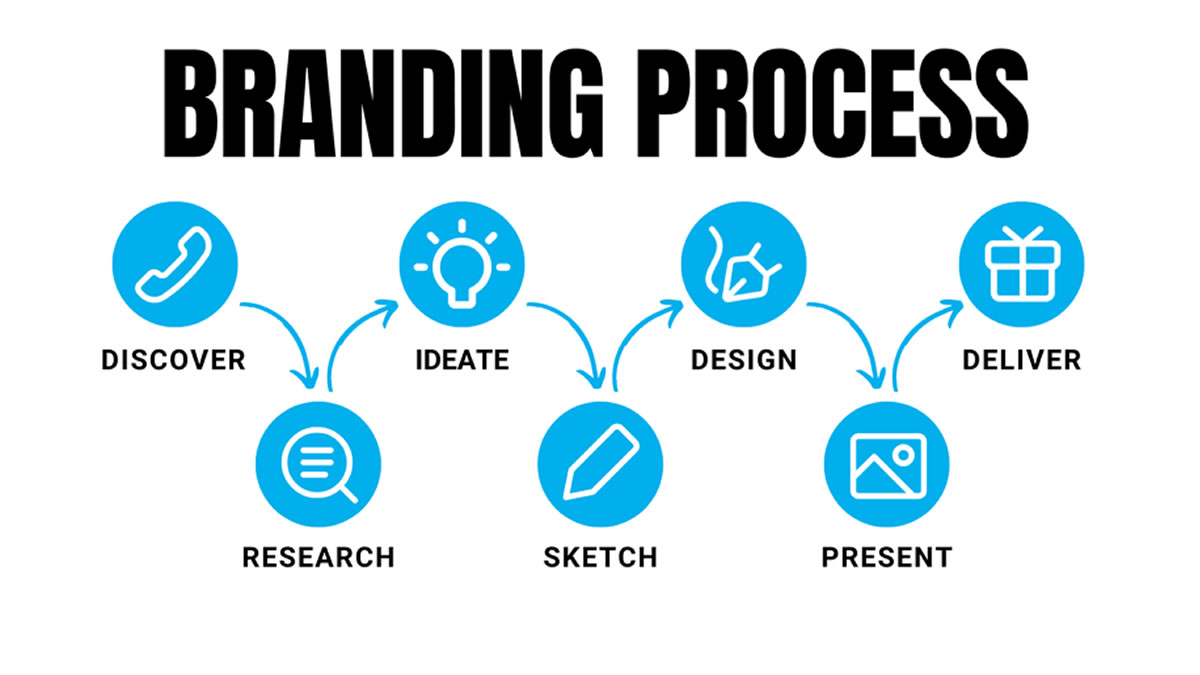
How to Build a Brand in 7 Steps 2026 Guide for Beginners?
Starting a business without a brand is like opening a shop with no nameboard. People may pass by, but they will not stop. In 2026, competition is high, and attention is low. That is why learning how to build a brand is no longer optional for beginners.
A strong brand helps people trust you before they buy. It gives your business a clear identity and makes it easier to remember. This guide explains brand building in simple steps so beginners can start the right way and avoid costly mistakes.
What is a brand?
A brand is the identity of a business in the mind of customers. It includes how people recognise your name, how they feel about your product, and what they expect from you. A brand is not just a logo or color. It is the full experience people associate with your business.
When a brand is clear, customers feel confident. When it is unclear, customers hesitate. This is why brand identity matters from the first day of business.
Why brand building matters in 2026?
Markets are crowded, and choices are endless. Customers compare quickly and decide fast. Without brand building, your business looks like every other option on the screen.
A strong brand builds trust and loyalty. People return because they know what to expect. This is especially important for branding for small businesses where budgets are limited, and trust matters more than ads.
Read more Local SEO Tips to Drive More Summer Foot Traffic
Step 1: Research your target audience
Every brand starts with people. If you do not understand who you are talking to, your message will miss the mark. Research helps define your target audience clearly and removes guesswork.
Know their age, habits, problems, and buying reasons. When the audience is clear, your message becomes simple and direct. This step lays the base for business branding that actually connects.
Step 2: Define your brand purpose
Purpose explains why your business exists beyond making money. It guides decisions and keeps your message steady. Without purpose, brands feel empty and forgettable.
A clear purpose supports your brand strategy and builds trust over time. Customers feel more connected when they understand what your brand stands for and why it matters.
Step 3: Create your brand positioning
Brand positioning shows where you stand in the market. It explains why someone should choose you instead of others. Good positioning is specific and focused.
It answers who the brand is, for what problem it solves, and what makes it different. Clear positioning reduces confusion and helps customers decide faster.
Read more Machine Learning Algorithms Shaping AI Business Decisions
Step 4: Choose the right brand name
Your name is often the first thing people see. It should be easy to say, easy to remember, and easy to search. A complicated name creates friction and slows growth.
A strong name supports company branding and matches your message. Always check domain and social handle availability before finalising a name.
Step 5: Build your brand identity
This is where your brand becomes visible. Brand identity includes colors, fonts, tone, and visuals. Everything should feel connected and consistent.
When identity is aligned, customers recognise your brand faster. Consistency builds familiarity, and familiarity builds trust. Random styles do the opposite.
Step 6: Set brand guidelines
Brand guidelines act as rules for how your brand looks and sounds. They keep messaging and visuals consistent across all platforms.
Guidelines help teams stay aligned and reduce mistakes. This step is critical when you build a brand from scratch and want long-term stability.
Read more How to Start Freelancing: A Beginner’s Complete Guide?
Step 7: Apply branding everywhere
Branding should appear the same everywhere customers see you. Website, social media, emails, and ads should follow the same style and tone.
Consistency strengthens business branding and improves recognition. When everything feels familiar, customers feel confident choosing your brand.
Measuring brand success
Brand growth takes time. Results do not appear overnight. Tracking progress helps you adjust without losing direction.
Monitor brand awareness through search traffic mentions and repeat customers. Loyalty and recall are strong signs of a healthy brand.
Common mistakes beginners make
Many beginners focus on design before strategy. Others change direction too often. Both create confusion. Successful brand building requires patience and clarity. Shortcuts often cost more in the long run.
Final thoughts
Building a brand is a long-term effort, but the steps are simple when done in order. Clear audience purpose and consistency create strong results.
For beginners learning how to build a brand, this guide provides a clear starting point and a stable foundation for growth.
What is the first step in building a brand?
The first step in building a brand is researching the target audience. This process identifies customer needs, preferences, and buying behaviour. Clear audience insight helps shape brand identity, messaging, and positioning, which leads to stronger trust and better long-term results.
How long does brand building take?
Brand building takes time and consistency. Early signs may appear in a few months, while strong recognition develops over the years. Stability and clarity speed progress.
Can a small business build a strong brand?
Yes, small businesses can build strong brands. Clear focus and consistency make branding for small businesses effective, even with limited budgets.
Is a logo enough for branding?
No, a logo alone is not enough. Brand identity includes tone, values, visuals, and messaging. All elements work together to create trust.
Why does brand consistency matter?
Consistency helps customers recognise and trust a brand. Frequent changes create doubt while stable branding builds confidence and loyalty.