
Traditional Job or Freelancing? Choose the Best Career Path
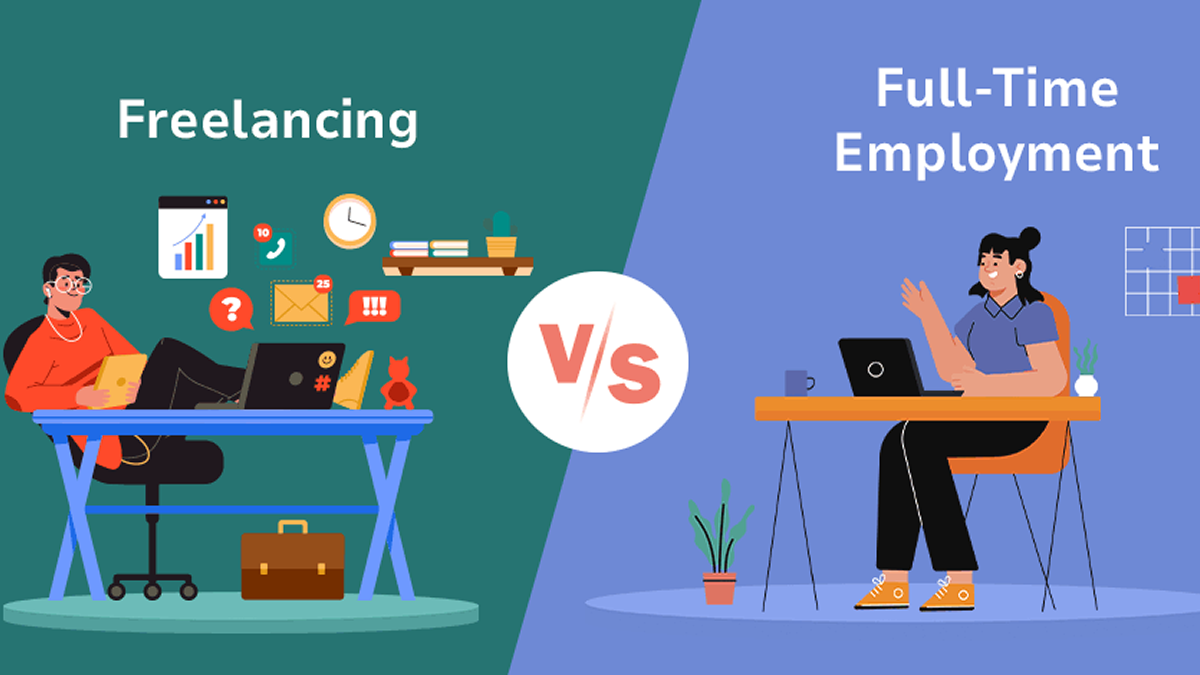
The way people work has changed. Today, many face a choice between traditional Job and freelancing. Each path offers different benefits and challenges, and picking the right one depends on your priorities, lifestyle, and career goals. Understanding these differences helps you make a choice that suits both your professional and personal life.
What is Traditional Employment?
Traditional employment means working full-time for a single company. Employees usually follow a fixed schedule, often from nine to five, and report to managers. This setup provides stability, predictable pay, and often benefits like health insurance, retirement contributions, and paid leave.
The structure of traditional employment can make planning easier. Salaries arrive regularly, allowing budgeting with confidence. Some companies also offer mentorship and career growth programs. Yet, not all roles allow creativity, and rigid schedules can limit flexibility and personal time.
What is Freelancing?
Freelancing is a form of self-employment where you offer services to multiple clients. Freelancers choose projects, set their own hours, and often work remotely. This freedom allows them to balance work with travel, hobbies, or personal commitments.
Flexibility is the most appealing aspect of freelancing. You can pick work that matches your skills and interests, giving you a sense of purpose and continuous learning. However, income can fluctuate, and freelancers must handle tasks like invoicing, taxes, and client communication. There are no employer-provided benefits, so planning becomes essential.
Read more AI in Customer Experience: Transforming CX with Smart Technology
How Income Works in Both Models
Traditional employment offers a stable income. Salaries are fixed and predictable, which simplifies budgeting and long-term planning. Employers often contribute to retirement plans, and benefits reduce out-of-pocket expenses.
Freelancing income varies. Some months are profitable, while others may be slow. Freelancers must plan for taxes, retirement, and emergencies. Many maintain savings to cover gaps between projects. While unpredictable, freelance work can sometimes lead to higher earnings if you manage clients and projects effectively.
Career Growth and Skill Development
Employees in traditional employment often have clear career paths. Promotions, training programs, and mentorship help develop skills gradually. You also benefit from the knowledge and experience of colleagues, which can accelerate growth.
Freelancers build a diverse portfolio. Each project adds new skills and demonstrates versatility to potential clients. However, there’s no structured training. You must invest in courses, workshops, and networking to remain competitive. Adaptability becomes a major asset in the evolving job market.
Read more 20 New Technology Trends That Will Shape the Future of Work
Social Interaction and Work Culture
Working in traditional employment offers daily social contact. Interacting with colleagues boosts collaboration, creativity, and morale. Team meetings and office events create a sense of community that supports mental well-being.
Freelancing, on the other hand, can be isolating. Working remotely reduces daily human interaction. Freelancers need to seek social contact through coworking spaces, online communities, or networking events to avoid loneliness. Building a support network becomes part of the job itself.
Work-Life Balance Differences
Traditional employment provides clear boundaries with set work hours. Yet, rigid schedules and commuting can cut into personal time. Burnout may occur when employees take work home or remain constantly available.
Freelancers enjoy flexible schedules. You can work during your most productive hours and take breaks when needed. However, without boundaries, you might overwork. Maintaining discipline and separating work from personal life is critical.
Read more Future of Transport: Innovations Transforming Global Mobility Trends
Financial Planning and Benefits
Benefits make traditional employment attractive. Health insurance, paid leave, and employer retirement contributions add security. Predictable income allows easier long-term planning and loan approvals.
Freelancers handle everything themselves. Health insurance, retirement, and paid leave are personal responsibilities. Successful freelancers track expenses, manage multiple bank accounts, and create emergency funds. While more demanding, this control lets you align finances with personal goals.
Transitioning Between Paths
Many professionals switch between traditional employment and freelancing. Some start in full-time roles for stability, then freelance for freedom. Others begin as freelancers and later take full-time positions for a predictable income. Hybrid models combine both approaches, offering income security and flexibility.
Planning a transition involves assessing skills, building a financial cushion, and networking. Highlighting achievements from either path improves opportunities in the other. Both paths teach valuable lessons about responsibility, growth, and independence.
Choosing the Right Path
The choice between traditional employment and freelancing depends on your priorities. If stability, benefits, and structured growth matter most, traditional employment may fit better. If independence, flexible hours, and varied work excite you, freelancing can be the right choice. Hybrid paths provide a balance for those who want a mix of both.
Understanding your values, financial needs, and career goals helps you pick a path that works long-term. Remember, no option is permanent—you can adjust as your life and goals evolve.
1. What is the main difference between traditional employment and freelancing?
Traditional employment provides fixed hours, salary, and benefits, while freelancing allows flexible work schedules and multiple clients. Freelancers manage their own finances and projects independently, while employees rely on the company structure and support.
2. Which career path offers better financial stability?
Traditional employment offers predictable income and benefits like health insurance and retirement contributions. Freelancers may earn more at times, but income fluctuates and requires careful planning for taxes and savings.
3. Can freelancing offer growth opportunities like traditional jobs?
Yes, freelancers gain diverse skills by working on different projects. Growth depends on self-learning, networking, and building a portfolio, unlike structured training in traditional employment.
4. Is work-life balance better in freelancing or traditional employment?
Freelancers control their schedule, allowing flexibility for personal activities. Traditional employees have structured hours but may face rigid schedules and commuting, which can impact personal time.
5. How can someone transition from traditional employment to freelancing?
Start by saving three to six months of expenses, assess your skills, build a portfolio, and network. Gradually take freelance projects while keeping your job until you’re ready to switch.