
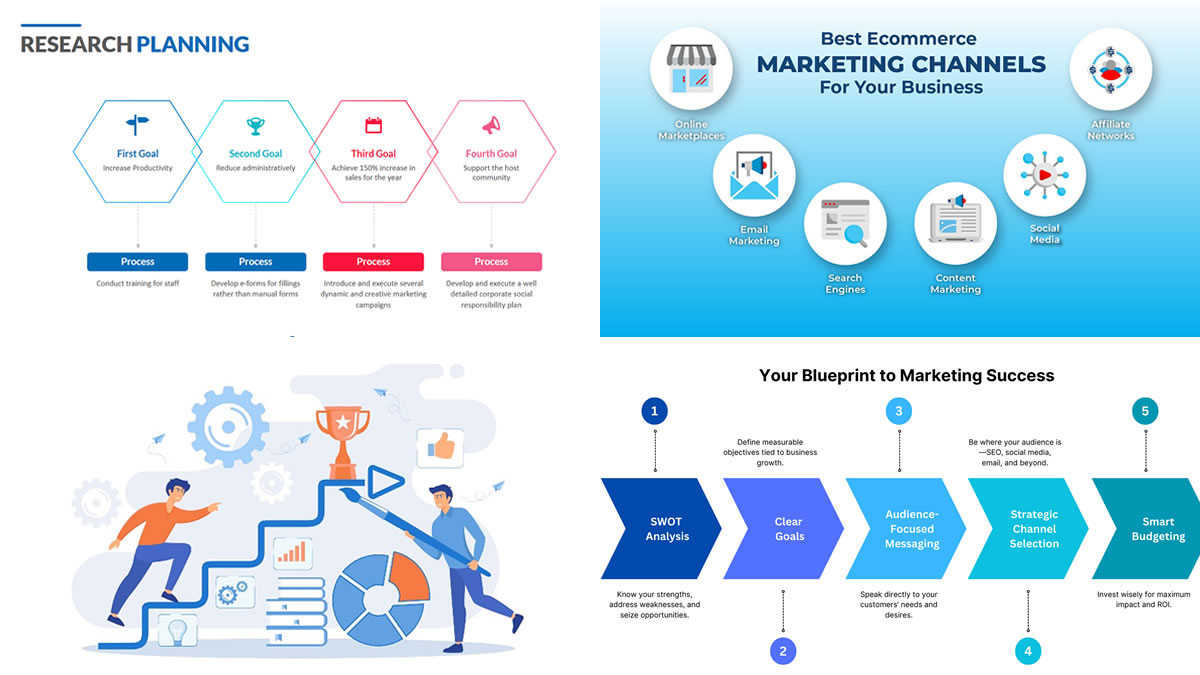
Marketing Campaign Plan That Converts (Step-by-Step)
In today’s competitive business world, a winning marketing campaign is essential for companies looking to grow and succeed. Many businesses struggle because they don’t follow a structured approach, wasting time, money, and resources on ineffective strategies. This guide will show you how to plan and execute a marketing campaign step by step, helping you reach your target audience, maximize ROI, and turn prospects into loyal customers.
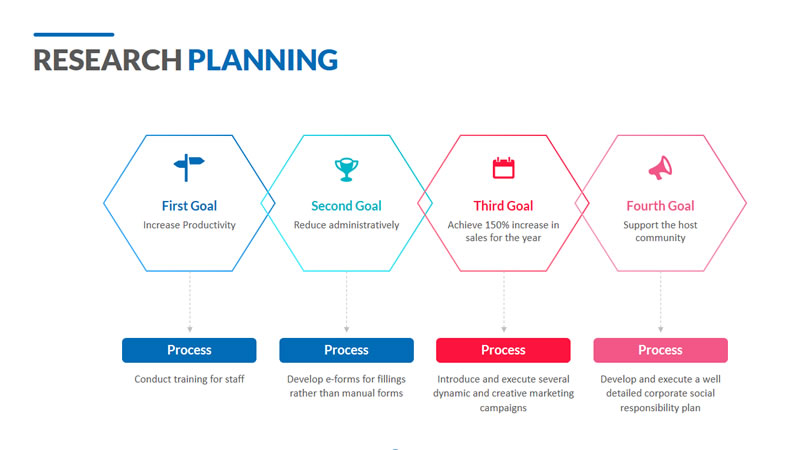
1. Research & Planning
Every successful campaign begins with careful research and planning. Start by defining your marketing objectives. Whether it’s generating leads, converting first-time buyers, or encouraging repeat purchases. Your marketing budget should align with these goals and the scale of your campaign.
Next, identify your target audience. Consider their demographics, psychographics, and buying behavior. For B2B campaigns, factor in industry, company size, and decision-makers. For B2C campaigns, consider age, interests, and media habits. The better you understand your audience, the higher your potential ROI.
Finally, analyze competitors. Look at what campaigns they are running, the channels they use, and the messaging that works. This research helps you identify gaps and opportunities to stand out.
2. Crafting the Message
Your marketing message is the heart of your campaign. It should solve a problem or meet an unmet need for your audience. Start by empathizing with your customers’ challenges to build trust.
Next, highlight the benefits of your product or service. Use clear examples of how it improves their lives or solves their problems. Include credible elements, such as testimonials, case studies, or endorsements, to reinforce trust and encourage engagement.
Read more Data Cleaning and Preparation: Best Practices That Actually Work
Remember, storytelling and emotional appeal can increase response rates. Make your message resonate and inspire action.
3. Budget & Resources
A well-planned marketing budget ensures your campaign is realistic and achievable. Companies typically allocate a percentage of projected sales ranging from 2% to 20%, depending on their industry, size, and growth stage.
Assign responsibilities to your team, whether it’s content creation, social media management, or analytics tracking. Ensure you have the tools needed for campaign execution, such as email marketing software, social media schedulers, or analytics platforms.
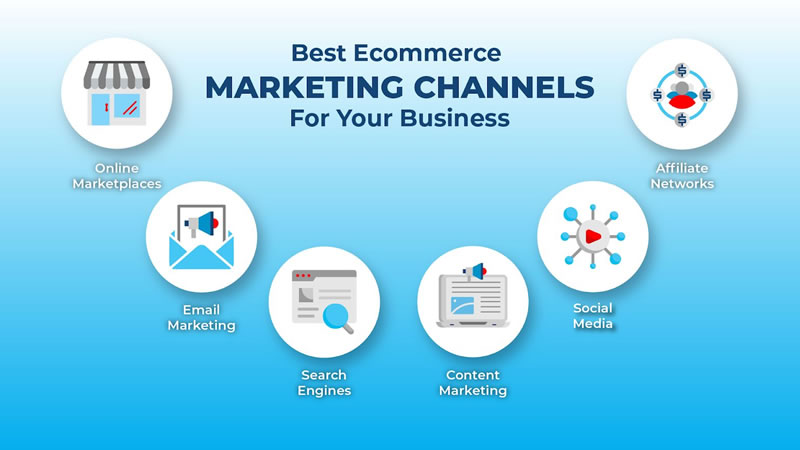
4. Choosing Marketing Channels
Selecting the right marketing channels is critical for campaign success. Online media, including social media marketing, email, and websites, are effective for most audiences. B2B campaigns may benefit from trade publications, webinars, and LinkedIn ads, while B2C campaigns often rely on social media engagement.
Remember to differentiate trends from fads. Focus on channels where your audience spends the most time. Don’t spread your budget too thin. Quality and engagement matter more than quantity.
5. Content Creation
Once your channels are set, develop compelling content. This includes blog posts, videos, infographics, ads, and educational resources. Each piece should reinforce your marketing message and provide value to your audience.
Consistency is key. Maintain a clear tone, visual identity, and messaging across all platforms. The more engaging and useful your content, the more likely your audience will respond.
Read more Gig Economy 101: How to Start a Profitable Side Hustle and Boost Your Income
6. Execution & Scheduling
Implementing your winning marketing campaign requires precise coordination. Create a schedule with deadlines for each task. Assign team members responsibilities and ensure all resources are in place.
Monitor progress closely. A well-executed campaign relies on organization, timely communication, and adaptability to any unexpected changes.
7. Measuring Success
Use analytics to track performance and determine the effectiveness of your campaign. Key metrics include lead generation, conversions, website traffic, social media engagement, and ROI.
Analyzing results helps you identify what works best and allows you to make data-driven improvements for future campaigns.
Read more AI and Precision Medicine: Future of Personalized Health
8. Optimization & Improvement
No campaign is perfect from the start. Use feedback, A/B testing, and performance data to refine your marketing strategy. Adjust messaging, channels, or content based on audience behavior. Continuous optimization ensures higher engagement and long-term success.

1. What is a winning marketing campaign?
A winning marketing campaign is a structured marketing effort designed to achieve specific business goals, such as lead generation, conversions, or brand awareness. It combines research, messaging, and media strategies effectively.
2. How do I plan a successful marketing campaign?
Plan by defining your objectives and budget, identifying your target audience, crafting a compelling message, choosing the right channels, and monitoring results for continuous improvement.
3. Which marketing channels work best?
The best marketing channels depend on your audience. B2C campaigns often use social media and email, while B2B campaigns may rely on trade publications and LinkedIn. Focus on channels where your audience is most active.
4. How long should a marketing campaign last?
Campaign duration varies based on goals, budget, and channels. Some campaigns run for a few weeks, while others may last months. Monitor performance regularly and adjust timing as needed.
5. How do I measure success in a marketing campaign?
Measure success using metrics like ROI, conversions, website traffic, engagement, and lead generation. Analytics tools help track these metrics and provide actionable insights.