

Stop wasting time — 5 real productivity tips
You start the day with a full to-do list and good intentions. By 3 PM, half of it’s still untouched. Sound familiar? Here’s what’s going wrong and how to fix it.
Most people aren’t unproductive because they’re lazy. They’re unproductive because no one taught them how to work smarter. Jack Ma, founder of Alibaba, put it best: “If there are nine rabbits on the ground and you want to catch one, just focus on one.” The more you chase, the less you catch. So, let’s cut to it. Here are five practical productivity tips that actually work.
Tip 1: Focus on one task at a time
Single-tasking
Focusing on one task at a time means giving a single task your full attention before moving to the next. It’s faster, produces higher-quality work, and reduces mental fatigue. Studies consistently show that task-switching can cost up to 40% of productive time, time most people can’t afford to lose.
Multitasking feels productive. It isn’t. Every time you switch between tasks, your brain needs time to re-engage. That switching cost adds up fast. Pick one task. Work on it until it’s done or until you hit a natural stopping point. Then move on. It’s simple. But most people skip it.
6 Startup Lessons from Successful Founders That Actually Work (2026 Guide)
Tip 2: Prioritise tasks by order of importance
Task Prioritisation
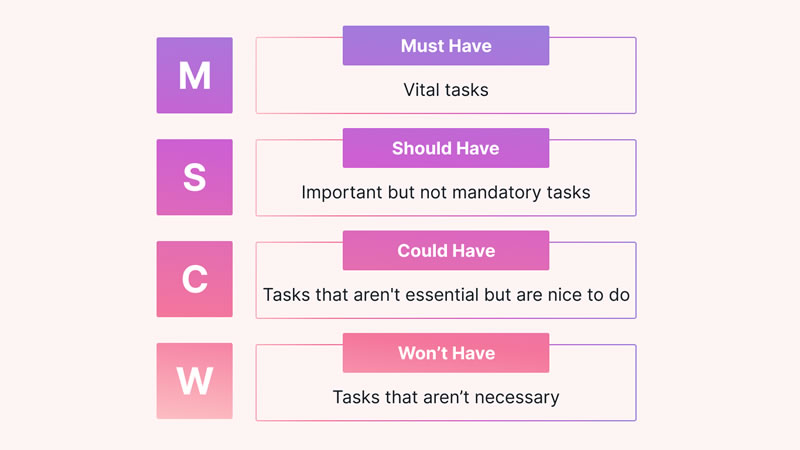
Prioritising tasks means ranking your daily work by urgency and importance before starting. Tackling the hardest tasks first when your energy is highest means critical work gets done, even on difficult days. Everything else is a bonus. Think of your to-do list like a dinner plate. The main course comes first. You don’t fill up on bread rolls, then leave the steak untouched.
If you don’t finish everything by the end of the day, that’s fine. The urgent work is already handled. The rest can wait.
Tip 3: Take breaks — the right way
Break Strategy
Taking regular, structured breaks prevents burnout and keeps focus sharp throughout the day. The 50/10 rule, 50 minutes of focused work followed by a 10-minute break, is one of the most effective patterns for sustained work efficiency. It’s not laziness. It’s a strategy.
Skipping breaks doesn’t make you more productive. It makes you slower, sloppier, and more likely to burn out before the week is over. Set a timer. Work hard for 50 minutes. Then step away for 10. Repeat. Your afternoon self will thank you.
Marketing Campaign Plan That Converts (Step-by-Step)
Tip 4: Use the two-minute rule
Quick Wins
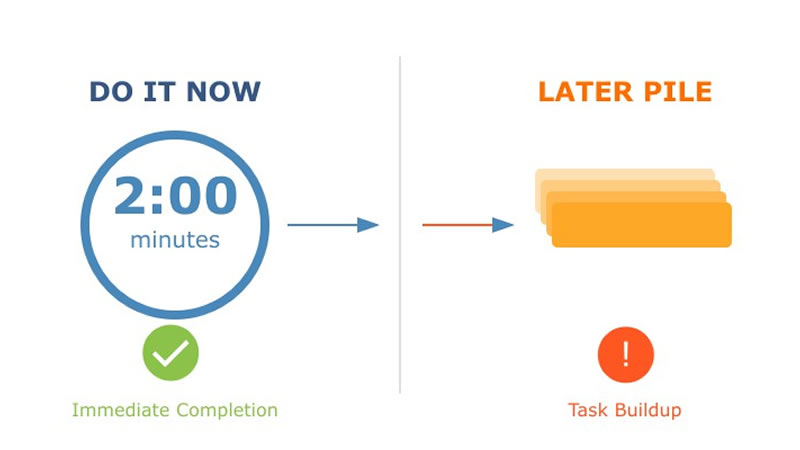
The two-minute rule, coined by productivity consultant David Allen in Getting Things Done, states: if a task takes less than two minutes, do it immediately. Clearing these small tasks in real time stops them from piling up and stealing mental bandwidth later. A cleaner list means a clearer head.
That quick email reply. The note you keep meaning to write. The colleague question you’ve been putting off. Two minutes each, done. Small tasks are like dishes in a sink. Leave them long enough, and cleaning them feels like a project. Do them as they come, and they’re nothing.
Tip 5: Try the time-blocking method
Time Management
Time-blocking is a scheduling method where specific hours of your day are assigned to specific tasks. It removes decision fatigue, cuts procrastination, and creates a clear structure for how your day flows. When every hour has a job, you stop drifting and start delivering.
Data Cleaning Best Practices That Actually Work
Here’s a simple example of what a blocked day looks like:
- 9:00–11:00 AM — Deep work (reports, writing, strategy)
- 11:00 AM–12:00 PM — Emails and messages
- 12:00–1:00 PM — Lunch break
- 1:00–3:00 PM — Meetings or collaborative tasks
- 3:00–4:00 PM — Admin and lighter tasks
Adjust it to fit your rhythm. The point isn’t the schedule, it’s the intention behind it.
Productivity isn’t about doing more. It’s about doing the right things, in the right order, with your full attention on each one. Start with one tip. Build the habit. Add another. Don’t try to change everything at once; that’s just multitasking with your lifestyle.
Productivity isn’t about doing more; it’s about doing the right things. Focus on one task, prioritise by importance, take structured breaks, clear small tasks instantly, and block your time intentionally. These five strategies cut procrastination, reduce burnout, and build a workday that delivers results without the overwhelm.
Q1. What are the best productivity tips for work?
The best productivity tips for work include focusing on one task at a time, prioritising tasks by importance, and using the time-blocking method. These simple habits improve work efficiency and help you get more done in less time.
Q2. How do I make the most of my workday?
To make the most of your workday, plan your tasks before you start, tackle the hardest ones first, and block specific hours for specific work. A structured day beats a busy one every time.
Q3. Does taking breaks actually improve productivity?
Yes. The 50/10 rule, 50 minutes of focused work followed by a 10-minute break, is one of the most effective time management strategies. Regular breaks reduce burnout and keep your focus sharp throughout the day.
Q4. What is the two-minute rule for productivity?
The two-minute rule, introduced by David Allen in Getting Things Done, states that any task taking less than two minutes should be done immediately. It stops small tasks from piling up and stealing mental bandwidth later.
Q5. How does time-blocking improve work efficiency?
Time-blocking improves work efficiency by assigning specific tasks to specific hours. It removes decision fatigue, cuts procrastination, and gives your day a clear structure. So every hour has a purpose, and nothing important gets missed.