AI-Driven Enterprises: 7 Building Smarter Businesses Through Innovation In 2026
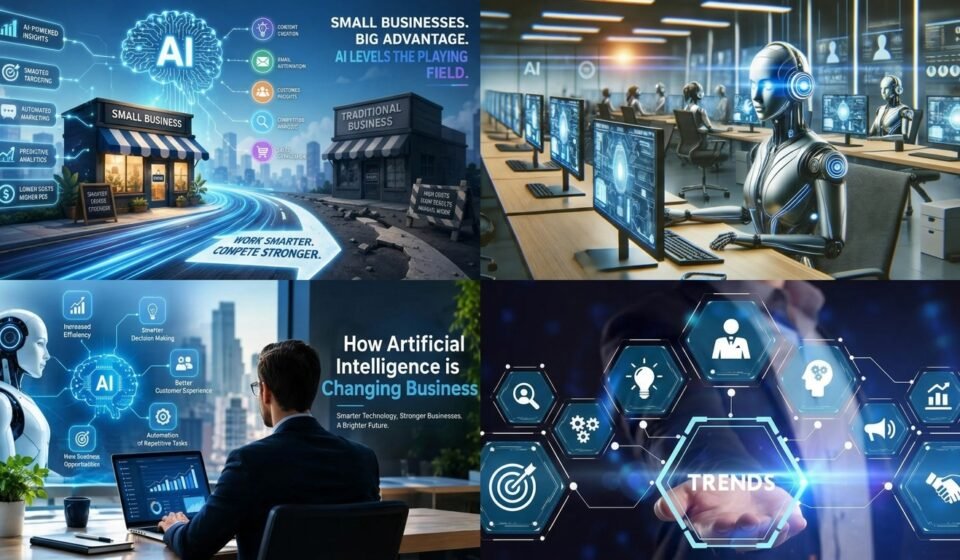
AI-Driven Enterprises: AI is revolutionizing business, customer understanding, and innovation daily. Organizations, both large and small e-commerce businesses alike, are looking at ways to leverage the power of technology in a non-complicated way. Some employ AI for content creation, while some utilize it to structure information or customer support. The rise of AI business tools is a testament to the trend of leveraging artificial intelligence to streamline workflows and maximize business efficiency.
But adoption success doesn’t happen overnight through the simple act of installing new software. Businesses should understand the issues, select appropriate tools, and ensure that staff members are familiar with the tools. With technology, there can also be issues with lowered productivity if the results are incorrect or sensitive information is not managed correctly in business automation. Companies that take a pragmatic approach and set clear goals and reasonable expectations when it comes to innovation are more likely to achieve lasting benefits.
For more insights into the latest developments in artificial intelligence, the Stanford AI Index Report provides valuable research on AI adoption, business applications, and technological progress. It helps readers understand how AI is influencing modern businesses and driving digital innovation.
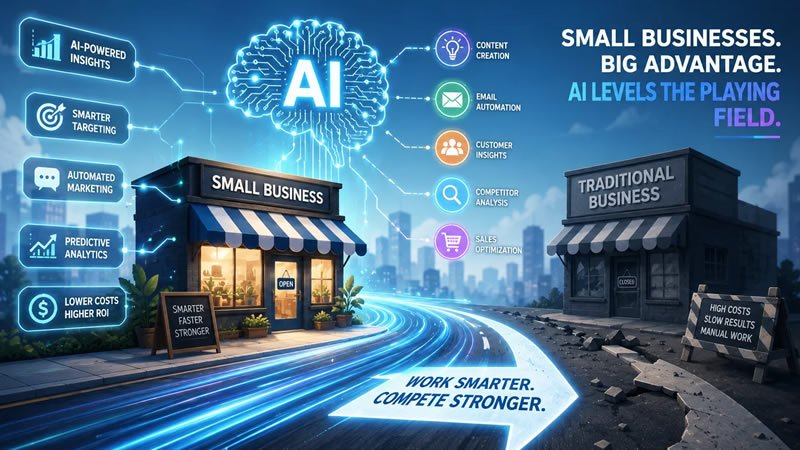
The growing AI demand is encouraging businesses to explore new applications of artificial intelligence. AI-Driven Enterprises are increasingly using these developments to improve business operations and support modern innovation.
AI Product Strategy: Creating Products That Customers Actually Need
The first step in creating a successful product is to know what customers want and what they need to solve. When adding a new digital capability to a business, it’s important that it is researched, existing options studied, and opportunities to enhance the user experience identified. When designing a useful product management process, they prioritize useful features rather than wasting time trying to add features that customers are unlikely to ever use. The ability to get regular feedback and testing also helps to determine deficiencies early, before they translate into costly issues AI-Driven Enterprises.
Businesses must clearly communicate the value of a product once it’s taking shape. Effective AI product marketing is all about communicating the benefits, the use, and the problem-solving capabilities of a solution. Instead of promising the moon to the customer, companies should offer them examples that they can easily comprehend. This provides trust and helps the customer realize a reason to purchase the product.
The growing ai demand is encouraging businesses to explore new applications of artificial intelligence. AI-Driven Enterprises are increasingly using these developments to improve business operations and support modern innovation.
Generative AI for Business Transformation: Making Daily Work Easier
A lot of people spend hours creating documents, sending out emails, summarizing information, and structuring thoughts. These activities can be enhanced by AI productivity tools, which assist in generating initial drafts, analyzing extensive text content, and streamlining repetitive tasks. A marketing employee may use AI to brainstorm marketing campaign ideas prior to formulating the final marketing plan. These tools can help lower the time it takes to get going, but employees should always check the results for quality and correctness AI-Driven Enterprises.
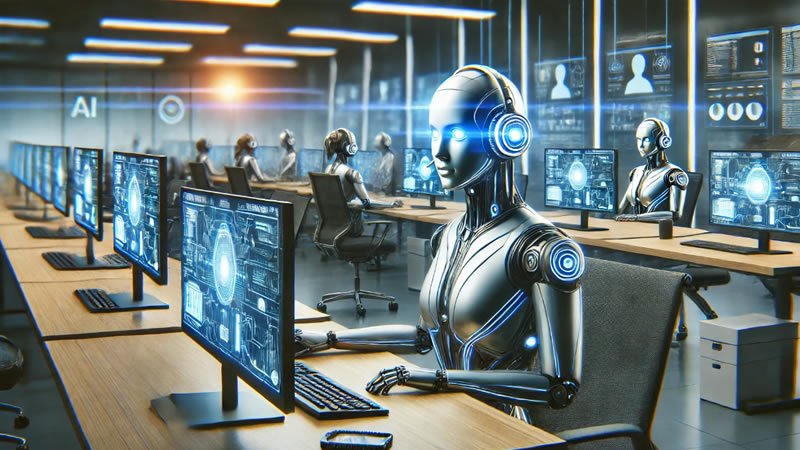
Another opportunity is through business automation, especially if there are repetitive business processes with distinct steps. Some appointments, routine inquiry customer information, and information management tasks can be automated for businesses. This allows employees to devote more attention to tasks that demand personal attention or careful judgment. But, the implementation of automation should be done gradually, conducting the testing and having human supervision to avoid any mistakes that may impact customers or business operations AI-Driven Enterprises.
AI Business Strategist: Turning Information Into Better Decisions
Owners of businesses constantly base their decisions on sales, customer feedback, research of the market, and internal documents. The AI business strategist concept provides assistance in using AI-based analysis to organize all the data above and find patterns that may not be visible in the absence of such technologies. Thus, for instance, the retailer may analyze customer feedback to spot the problems with products or services, whereas the company providing the service may analyze the questions asked by customers to improve the communication process between them. However, it is still the people who make the decisions based on the gathered data.
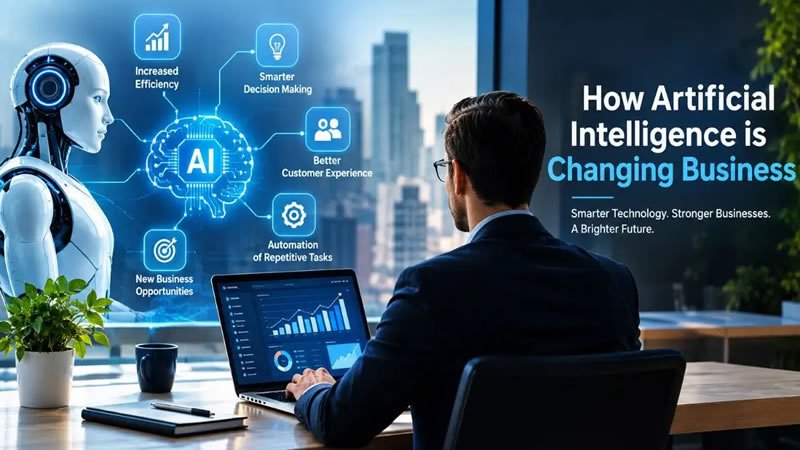
It is essential to select the appropriate technology as well. Enterprise software will help in organizing work with information and collaboration among employees. Before choosing the solution, one should take into account its cost, compatibility, security, and the possibility of training employees AI-Driven Enterprises. No matter how complex the technology may be, if it is complicated to use or based on incorrect information, there is no sense in it.
Business and Technology Trends: Preparing for Long-Term Growth
A business does not have to embrace all innovations to be competitive. What matters most for the development of innovation AI use cases is starting with a small thing that can improve services by making them more accessible or making them simpler by removing unnecessary actions. The assessment of the innovation has to be made taking into account the client’s demands, resources at hand, and the results.
For more insights into the latest developments in artificial intelligence, the Stanford AI Index Report provides valuable research on AI adoption, business applications, and technological progress. It helps readers understand how AI is influencing modern businesses and driving digital innovation.

Practical AI application examples can help to make employees feel more comfortable with innovations. The team may start with document summarization, research support, and customer inquiry management and then move on to something more advanced. It will help the employees to learn how to deal with the innovation and will give the opportunity to managers to see the possible risks in advance AI-Driven Enterprises.
Frequently Asked Questions
1. AI Business Tools: How Can Small Businesses Get Started?
Affordable AI business tools can assist small companies to create content, structure information, and respond to simple queries. Start by solving a single issue and analyzing the outcomes before increasing their usage.
2. AI Transformation: Is Artificial Intelligence Expensive to Implement?
AI transformation is not always expensive. Companies can start by using affordable solutions and expand later on if the benefits are measurable.
3. Artificial Intelligence Business: Can AI Improve Customer Service?
Yes. Artificial intelligence business systems can assist in providing answers to common queries and sorting customer requests, while employees deal with complex cases.
4. Business Automation: Will AI Replace Employees?
Business automation may eliminate simple activities and alter some duties; however, the importance of human communication skills, judgment, creativity, and problem-solving still exists.
5. Digital Innovation: How Can Businesses Measure Success?
Digital innovations need to be measured by their actual impact, such as the saving of time, number of mistakes, increase in customer satisfaction, or lower operational costs.
Final Thoughts
Artificial intelligence offers businesses new ways to improve operations, support employees, and understand customer needs. However, technology delivers the greatest value when it addresses a genuine problem rather than being introduced simply because it is popular. A clear AI product strategy, suitable tools, and realistic goals can help organizations make better decisions and avoid unnecessary spending.
The future of business will depend on more than software alone. Companies still need strong relationships, experienced employees, and a willingness to learn from mistakes. By combining AI productivity, responsible and practical digital innovation, organizations can build more adaptable operations while keeping their attention on customers and long-term growth.