
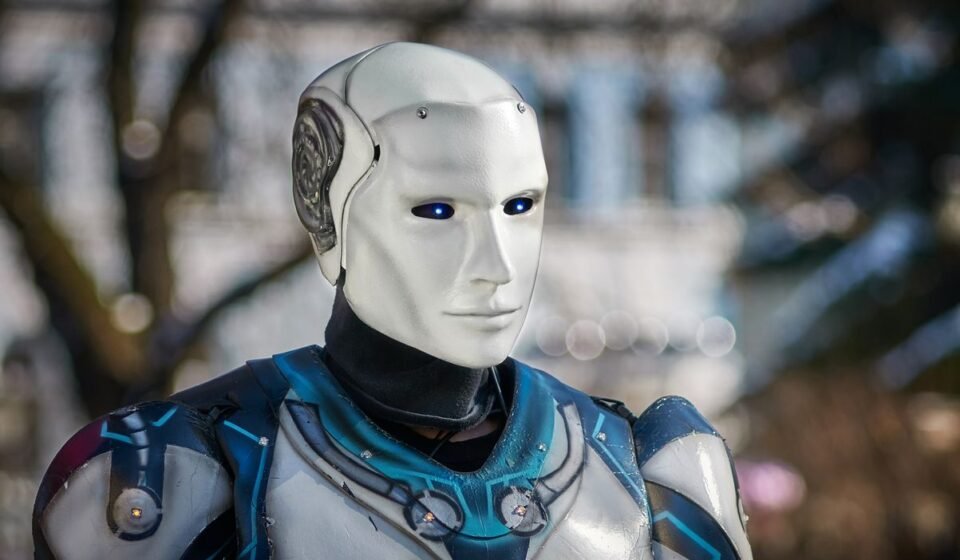

Scroll through Instagram or TikTok in 2026 and you will see her: perfect skin, perfect outfits, a perfect life in a perfect city — and she does not exist. She is an AI influencer, a completely digital person with millions of followers, brand deals and a comment section full of fans who know she is not real and follow her anyway.
The AI influencers trend 2026 is the strangest success story on the internet right now, and it is growing fast. Brands pay virtual creators real money, fans buy the products they promote, and nobody can quite agree whether it is the future of fame or a trick that is about to fall apart. Here is what AI influencers are, why they work, and what they mean for real creators.
AI Influencers Trend 2026: What Is a Virtual Influencer?
A virtual influencer is a fictional character, designed on a computer and presented as a real person on social media. Some look like realistic humans; others are obvious cartoons or robots. They post photos, make videos, reply to comments, go on “holidays” and promote products, just like human creators — except every pixel is made by a team of designers and AI tools.
The AI influencers trend 2026 did not start overnight. The first famous virtual influencer appeared in 2016, but the tools were expensive and the audience was small. What changed is that AI image and video tools made virtual people cheap to create, and audiences stopped caring whether the person on screen was real. Today, the biggest virtual influencers have millions of followers and earn more from one brand deal than most human creators earn in a year. Wikipedia has a good overview of how virtual influencers are defined and where the idea started: https://en.wikipedia.org/wiki/Virtual_influencer
Why Brands Love Them
The AI influencers trend 2026 makes sense for brands for one simple reason: control. A human influencer can say the wrong thing, get into a scandal, or simply have a bad day. A virtual influencer never does. Brands can approve every post, every outfit and every word in advance, and the character will never age, never get tired and never ask for a higher fee halfway through a campaign.
Virtual influencers also never sleep: they can post in every time zone, speak any language, and appear in ten campaigns at once. They are cheaper than celebrities and more reliable than humans, which is why fashion, beauty and gaming brands were the first to sign them.
There is another reason brands like them: the audience is young. Most followers of virtual influencers are under 30, and they grew up with filters, avatars and digital friends, so a virtual person feels normal to them, not strange. The engagement numbers prove it — virtual influencers often get higher like and comment rates than human creators with the same follower count, because their feeds are perfectly curated.
Can You Spot One?
One sign of the AI influencers trend 2026 is how hard the fakes have become to spot. The obvious ones are easy: skin that is too smooth, hands with the wrong number of fingers, backgrounds that bend in impossible ways, and the same face in every photo with no bad angles. But the best virtual influencers are nearly perfect, and the only giveaway is the pattern: they never appear in a live video with a fan, they never age, and their life is suspiciously perfect in every single post.
Platforms are starting to respond. Instagram and TikTok now ask creators to label AI-generated content, and some countries are considering rules that would force virtual influencers to say clearly that they are not human. The simplest test is the one fans use: look for the messy moments. Real people have bad hair days, blurry photos and boring Tuesdays. Virtual influencers never do, and that perfection is itself the clue.
What It Means for Real Creators
For real creators, the AI influencers trend 2026 is both a threat and a tool. The threat is obvious: brands have limited budgets, and every dollar spent on a virtual creator is a dollar not spent on a human one. Small creators already feel the squeeze, because a brand can now buy a perfect virtual post instead of working with ten small accounts.
But the tool side matters too. The same AI that creates virtual influencers can help real creators: editing videos, writing captions, testing thumbnails and answering comments. Smart creators are using AI to do the boring work and spending their saved time on the one thing a virtual influencer can never do — live a real life that fans can relate to. The creators who win will be the ones who lean into being human: unfiltered moments, honest opinions, and the kind of trust that only comes from a real person. If you want to see what real-person formats are working right now, read why GRWM videos are going viral in 2026: https://thinkforges.com/why-grwm-videos-are-going-viral-in-2026/
The Risks Nobody Talks About
Every AI influencers trend 2026 story should mention the risks, because they are real. The first is honesty: when a virtual person sells skincare or a diet product, nobody can check whether it actually works, because the person selling it has no skin and eats nothing. Regulators in several countries are already looking at whether that counts as misleading advertising.
The second risk is identity: AI tools can now build a virtual influencer that looks like a real person without permission, and a few creators have already found digital copies of themselves selling products they never endorsed. The third risk is for the audience, especially teenagers: following a perfect virtual life every day can make a normal life feel like a failure, and studies keep finding that heavy social media use is linked to lower self-esteem in young people.
None of this means virtual influencers will disappear — the money is too good — but it does mean the rules around them will get stricter, and the creators and brands who label their AI content honestly will be the ones who survive the crackdown.
Final Verdict
The AI influencers trend 2026 shows that fame no longer needs a human being. Virtual creators are cheaper, safer and more controllable than real ones, and audiences have accepted them faster than anyone expected. But the trend has a ceiling: people follow virtual influencers for entertainment, and they trust real people for advice. The future is probably a mix — virtual faces for brand campaigns, real humans for the content that needs trust. If you follow a virtual influencer, enjoy the content, but remember what you are looking at. And if you create content yourself, your biggest advantage is the one thing AI cannot copy: a real life.