
Top Tools Every Data Scientist Should Know
In the modern era of technology and information, the role of a data scientist has become one of the most in-demand professions across industries. Organizations generate massive amounts of data every day, and without the right expertise and tools, this data remains meaningless. Data scientists’ step in to transform raw information into actionable insights that guide decision-making, product development, and business strategy. But for them to perform effectively, mastering a wide range of tools for data scientists is essential.
This article explores the top tools every data scientist should know, while also clarifying what a data scientist is, what data scientists do, and how their role differs from other related fields like data analyst positions.
What is a Data Scientist?
A data scientist is a professional who uses statistical methods, programming skills, and domain knowledge to interpret and analyze data. Unlike traditional roles that focus only on storing or retrieving information, data scientists dive deeper. They uncover patterns, predict trends, and design algorithms that help businesses make evidence-based decisions. In simpler terms, a data scientist blends computer science, mathematics, and business acumen to solve complex problems using data.
What Do Data Scientists Do?
Data scientists perform a wide range of tasks. They clean messy datasets, design predictive models, visualize findings, and communicate results to stakeholders who may not be technical. A typical workflow might include:
- Collecting and preparing data from multiple sources.
- Applying machine learning algorithms to detect patterns.
- Creating visualizations to present insights
- Building predictive models to forecast future trends.
- Collaborating with engineers and business leaders to deploy solutions.
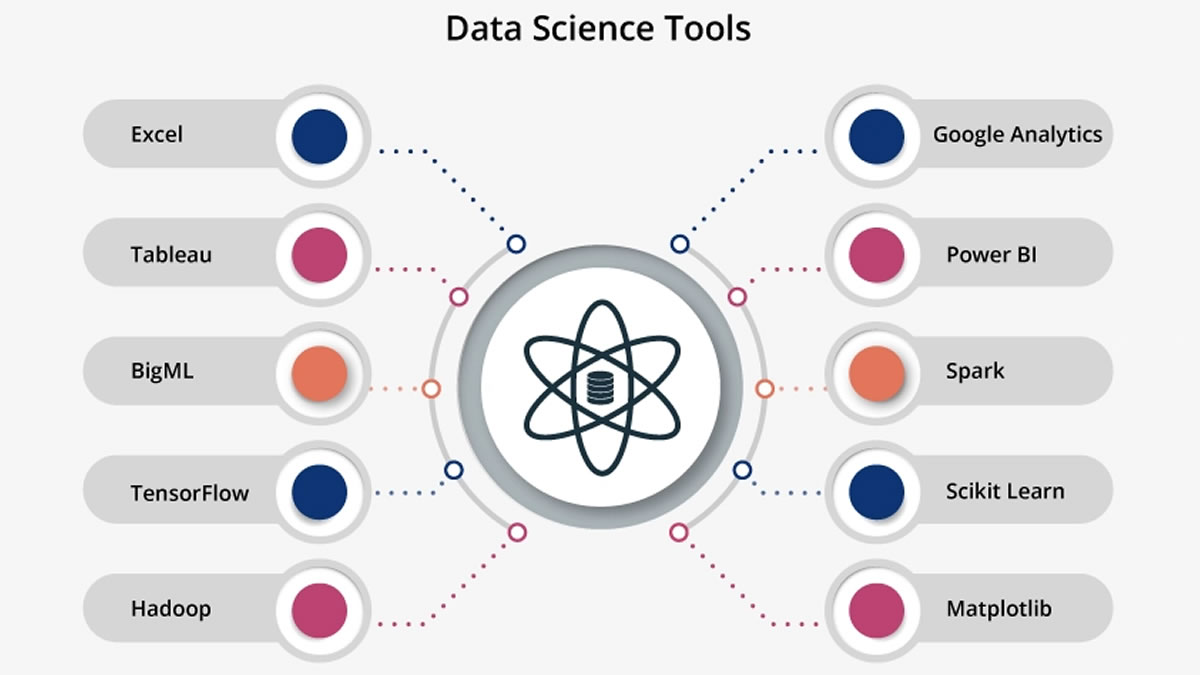
Understanding what data scientists do helps us appreciate why their toolkit needs to be so versatile. The tools for data scientists are not limited to just programming languages but also cover visualization platforms, cloud services, and machine learning frameworks.
Data Scientist vs Data Analyst
Many people confuse the role of a data scientist with that of a data analyst. While they overlap, there are key differences. A data analyst typically focuses on descriptive analytics—summarizing existing data, creating dashboards, and answering specific business questions. A data scientist, however, goes a step further by applying advanced statistical models and machine learning to predict outcomes and design automated solutions.
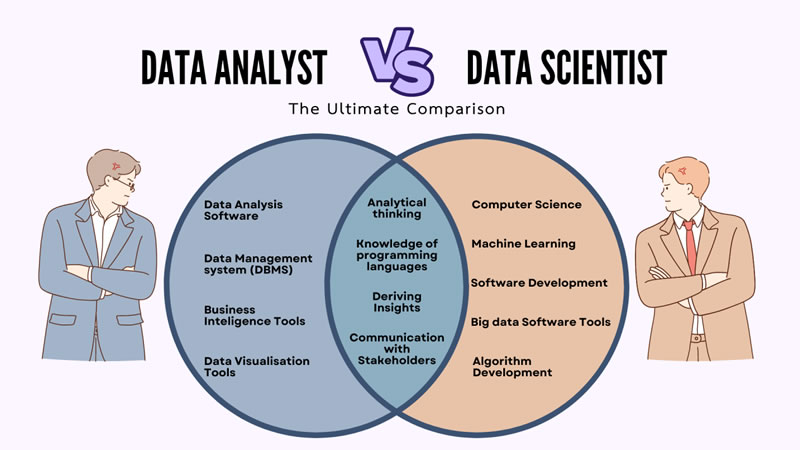
Think of it this way: if a data analyst explains what happened in the past, a data scientist predicts what might happen in the future and how to optimize it.
Programming Languages for Data Science
Python
Python remains the most popular language for data science. Its wide range of libraries like Pandas, NumPy, Scikit-learn, and TensorFlow make it an all-in-one solution for data cleaning, machine learning, and deep learning. Its readability and large community support make it a must-know among the top tools for data scientists.
R
R is another critical language, especially for statistical analysis and visualization. It offers powerful packages like ggplot2, dplyr, and caret. While Python is more versatile, R shines when it comes to complex statistical modeling and publishing research-grade visualizations.
Data Management Tools
Data cleaning and preparation often take up most of a data scientist’s time. Hence, tools that manage and manipulate data are indispensable.
- SQL: Structured Query Language remains the backbone for retrieving data from databases. Every data scientist must be fluent in SQL to extract and manipulate datasets.
- Excel: While often underrated, Excel remains powerful for quick data exploration and small-scale analysis. Its pivot tables and data visualization features make it a handy companion.
- Apache Hadoop: For working with massive datasets across distributed systems, Hadoop provides scalability and efficiency.
- Spark: Apache Spark speeds up big data processing and integrates well with machine learning libraries.
Data Visualization Tools
Visualizing findings is just as important as analyzing data. Data scientists must communicate their results clearly to stakeholders.
- Tableau: Known for its interactive dashboards, Tableau makes it easy to share insights with non-technical audiences.
- Power BI: Microsoft’s visualization tool integrates well with Excel and other Microsoft services, making it highly valuable in corporate settings.
- Matplotlib and Seaborn: For those working in Python, these libraries are fundamental tools for data scientists to create detailed and customizable visualizations.
Machine Learning and AI Tools
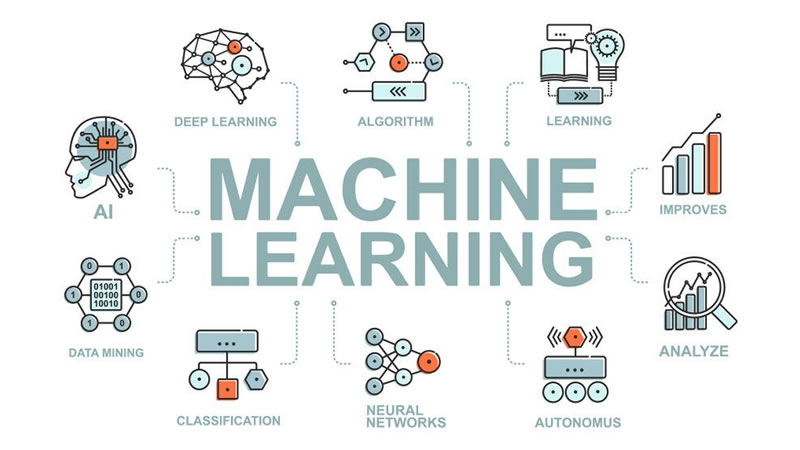
Machine learning is at the heart of modern data science. These tools allow data scientists to train models and deploy them in real-world applications.
- Scikit-learn: Best suited for beginners and intermediate users, Scikit-learn provides simple yet powerful algorithms for classification, regression, and clustering.
- TensorFlow: Developed by Google, TensorFlow supports deep learning projects, including neural networks, natural language processing, and computer vision.
- PyTorch: Popular in academic and research circles, PyTorch offers flexibility and faster prototyping for deep learning applications.
Cloud Platforms for Data Science
With data volumes growing exponentially, cloud platforms are becoming essential in a data scientist’s toolkit.
- Google Cloud Platform (GCP): Offers machine learning APIs and BigQuery for large-scale analytics.
- Amazon Web Services (AWS): Provides services like SageMaker for machine learning model building and deployment.
- Microsoft Azure: Known for its Azure Machine Learning service, it simplifies workflow automation.
Collaboration and Workflow Tools
Data science is rarely an individual effort. Teams often collaborate on complex projects, making workflow tools critical.
- Jupyter Notebooks: These interactive notebooks allow for combining code, visualizations, and explanations in one document. They are widely used for experimentation and sharing findings.
- GitHub: Version control is vital, and GitHub ensures smooth collaboration and tracking of code changes.
- Slack or Microsoft Teams: Communication tools integrate well with data workflows, making team collaboration easier.
Why Mastering Tools is Crucial
While theories and concepts form the backbone of data science, tools make them applicable in real-world situations. A data scientist’s success depends not just on statistical knowledge but also on the ability to implement solutions efficiently. Knowing the right tools for data scientists saves time, improves accuracy, and makes collaboration smoother.
The Future of Data Science Tools
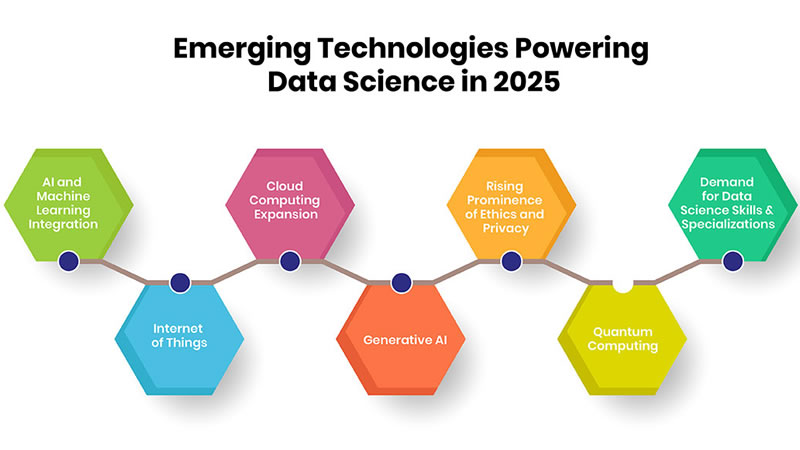
As artificial intelligence advances, more automated and user-friendly tools are emerging. AutoML platforms, for instance, allow even non-experts to train machine learning models without coding. Similarly, natural language processing interfaces are making it easier to query data using plain English. However, no matter how advanced these technologies become, the role of a skilled data scientist remains irreplaceable. Their ability to interpret results, question assumptions, and apply domain knowledge cannot be automated entirely.
Conclusion
Being a successful data scientist requires more than just understanding theories. Mastery over tools ranging from programming languages and visualization platforms to cloud services and machine learning frameworks is what makes them valuable. As industries increasingly rely on data to make informed decisions, the demand for professionals with both knowledge and proficiency in tools for data scientists will continue to grow.
Q1: What is a data scientist in simple words?
A data scientist is a professional who analyzes large amounts of data to find patterns, build models, and help organizations make better decisions.
Q2: What do data scientists do on a daily basis?
They clean data, create models, visualize results, and collaborate with business leaders to implement data-driven solutions.
Q3: What is the difference between a data scientist vs data analyst?
A data analyst focuses on describing and summarizing existing data, while a data scientist uses advanced models to predict future outcomes.
Q4: Do all data scientists need to know coding?
Yes, coding in languages like Python or R is essential for most data science tasks, though some tools simplify work for beginners.
Q5: Which tool is most important for a beginner data scientist?
Python is often the best starting point because it is versatile, beginner-friendly, and widely used across the industry.