
AI Product Strategy: The Smart Way to Build Future-Ready Businesses
Ai product strategy: Artificial Intelligence is not just for the big tech companies anymore. Businesses of all kinds are now turning to AI to increase productivity, automate repetitive work and improve decision-making. AI is becoming more and more important for modern business operations, from customer service to product development.
A strong AI Product Strategy helps companies understand where AI creates real value instead of simply following trends. Rather than adopting every new AI tool, successful organizations build a clear roadmap that aligns technology with business goals.
Many AI driven enterprises Already have impacted the way they work. They rely on AI to cut expenses, enhance user experiences, and accelerate decision-making. This has created a competitive edge for businesses that have implemented the appropriate AI strategy, but not for those that haven’t.
If you’re planning to future-proof your business, understanding business and technology trends is no longer optional. The companies leading today’s digital economy are not just using AI—they are building products and services around it.

AI Product Strategy: Why Every Business Needs It in 2026
A successful business doesn’t become smarter simply by purchasing AI software. Real transformation begins with a well-planned AI Product Strategy that focuses on solving actual business problems Best AI Tools for Productivity in 2026.
Instead of asking, “Which AI tool should we buy?”, businesses should first ask:
- Which processes consume the most time?
- Where are we losing productivity?
- Which customer problems can AI solve?
- How can AI improve our products or services?
Answering these questions creates a roadmap that makes AI investments worthwhile.
Modern organizations are also hiring an AI Business Strategist to determine areas of business value for AI. They need to align technology with business goals and make sure that AI is not just another product that sits on the shelf instead of being used to achieve long-term business goals.
Companies that follow this approach often experience:
- Faster decision-making
- Improved team productivity
- Better customer experiences
- Reduced operational costs
- Stronger product innovation
Instead of replacing employees, AI works as a business assistant that helps teams focus on higher-value work.
AI Driven Enterprises Are Changing Business and Technology Trends
The biggest shift happening today is the rise of AI driven enterprises. These organizations don’t treat AI as an experiment—they make it part of their daily workflow.
Across industries, AI is changing how businesses operate.
For example:
- Retail companies use AI to predict customer demand.
- Healthcare providers analyze patient data more efficiently.
- Marketing teams generate content ideas and customer insights.
- Software companies accelerate product development using AI assistants.
- Financial organizations detect fraud faster with intelligent automation.
These real-world examples show how business and technology trends are moving toward automation, data-driven decisions, and intelligent systems.
Businesses that delay AI adoption may eventually find themselves competing against companies that can deliver better services faster and at a lower cost.
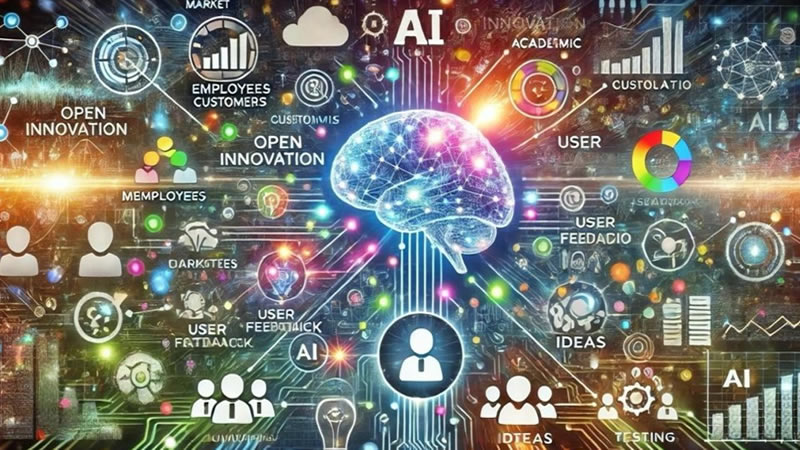
AI Product Strategy: How Smart Companies Turn AI Into Real Business Growth
AI Product Strategy Starts With a Real Business Problem
One of the biggest mistakes businesses make is buying AI tools before understanding what problem they actually need to solve. A successful AI product strategy always starts with business goals, not technology.
Before investing in any AI platform, ask questions like:
- Which process wastes the most time?
- Where do customers experience delays?
- Which tasks are repetitive enough to automate?
- Can AI improve decision-making with existing data?
When AI is connected to real business needs, companies usually see better productivity, lower operational costs, and improved customer satisfaction.
Generative AI for Business Transformation Is Changing Daily Operations
Today, generative AI for business transformation is helping companies work faster without replacing human creativity.
Popular business use cases include:
- Writing marketing content
- Creating product descriptions
- Customer support automation
- Sales email generation
- Meeting summaries
- Internal knowledge management
- Data analysis and reporting
Instead of replacing employees, these tools allow teams to spend more time on strategic work while AI handles repetitive tasks.
This balanced approach produces better long-term results.
AI Business Strategist Mindset Creates Better Decisions
An experienced AI business strategist focuses on business value instead of chasing every new AI trend.
Before adopting any AI solution, businesses should evaluate:
- Expected ROI
- Integration with existing software
- Data privacy requirements
- Team adoption
- Long-term scalability
- Maintenance costs
A good strategy prevents companies from wasting money on tools they never fully use.

Remember:
The best AI solution is not always the most expensive one—it’s the one that solves your biggest business problem.
Business and Technology Trends Show AI Is Becoming Essential
Current business and technology trends indicate that AI is becoming part of everyday business operations rather than an optional upgrade.
Businesses are increasingly using AI for:
- Sales forecasting
- Financial reporting
- Marketing automation
- HR recruitment
- Inventory management
- Customer analytics
- Workflow optimization
Companies that gradually adopt AI often outperform competitors because they make faster, more informed decisions while keeping operating costs under control AI Productivity Tools Updates March 2026 – Discover 15 proven AI tools that are transforming how we work..
Digital Innovation Works Best With Human Expertise
Successful digital innovation doesn’t mean replacing people with AI.
Instead, businesses combine:
- Human creativity
- Industry experience
- AI-powered insights
- Automation
- Data-driven decision making
This combination leads to stronger products, better customer experiences, and more sustainable business growth.
Modern organizations treat AI as a business assistant—not a replacement for skilled professionals.
AI Product Strategy Helps Businesses Stay Competitive in the AI Era
As artificial intelligence continues to evolve, companies that invest in a well-planned AI Product Strategy will be ready for future challenges Large corporations are not the only ones using AI. Small businesses, startups, and growing companies can also benefit from the appropriate AI solutions, when they need them.
Whether you’re using AI business tools to automate workflows, improve customer support, or create better marketing campaigns, success depends on having a clear strategy rather than simply following trends.
Businesses that embrace artificial intelligence business practices today are likely to become tomorrow’s industry leaders. The goal isn’t to replace people with AI—it’s to help teams work smarter, make better decisions, and create more value for customers.
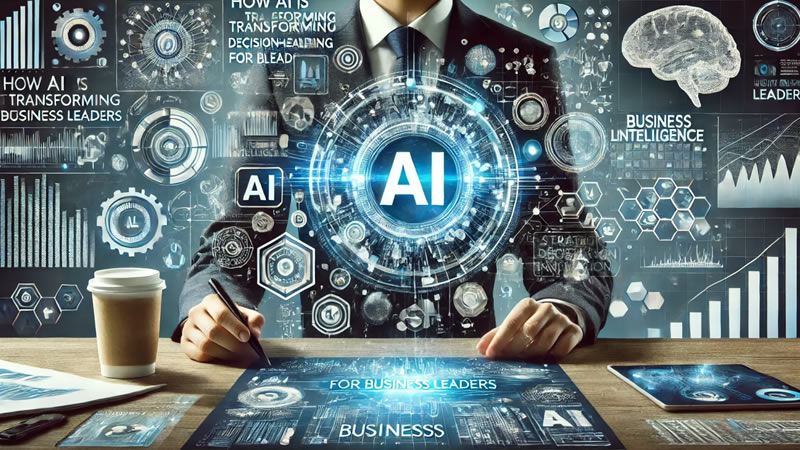
If you’re just getting started, begin with one business problem, test an AI solution, measure the results, and expand gradually. This practical approach reduces risk while building long-term confidence in AI adoption.
Final Thoughts: AI Product Strategy Is an Investment in the Future
A successful AI Product Strategy isn’t about using the most advanced AI platform—it’s about choosing technology that supports your business goals.
Companies that combine digital innovation, business automation, and human expertise will continue to grow faster than those relying only on traditional methods.
The future belongs to organizations that treat AI as a business partner rather than just another software tool.
Start small, learn continuously, and improve your strategy over time. That’s how modern businesses turn AI into a real competitive advantage.
Frequently Asked Questions (FAQs)
1. What is AI Product Strategy?
AI Product Strategy is a business plan that explains how artificial intelligence can improve products, services, and business operations while supporting long-term growth.
2. Why is AI Product Strategy important for businesses?
It helps companies invest in the right AI solutions, improve productivity, reduce costs, and deliver better customer experiences.
3. What are the best AI business tools in 2026?
Popular AI business tools include ChatGPT, Microsoft Copilot, Claude, Gemini, Notion AI, Grammarly AI, and Perplexity AI, depending on your business needs.
4. Can small businesses benefit from AI?
Yes. Small businesses can use AI for content creation, customer support, marketing, reporting, scheduling, and workflow automation without a large budget.
5. How does Generative AI help businesses?
Generative AI for Business Transformation helps create content, summarize reports, generate ideas, automate communication, and improve employee productivity.
6. What does an AI Business Strategist do?
An AI Business Strategist identifies where AI creates the most value, recommends suitable AI solutions, and aligns technology with business goals.
7. What industries are adopting AI the fastest?
Healthcare, finance, retail, education, software development, logistics, and digital marketing are among the fastest-growing AI adopters.
8. What is the biggest mistake companies make with AI?
The biggest mistake is adopting AI without a clear business objective or measurable ROI.