Trends in Generative AI: That Will Transform Business in 2026
Introduction
Trends in Generative AI: Artificial intelligence is moving faster than ever before, and trends in generative AI are reshaping how people work, create, and solve problems. Just a few years ago, AI was mainly used by large tech companies. Today, startups, freelancers, students, marketers, and global enterprises rely on AI every day.
From content creation to customer support and product development, AI has become part of modern business operations. Companies are investing heavily because they know AI is no longer just an experiment—it’s becoming a competitive advantage.
If you’re wondering which AI trends matter most in 2026, this guide will walk you through the biggest changes that businesses and professionals should watch.
AI Everywhere – Trends in Generative AI Are Reshaping Daily Work
One of the biggest trends in generative AI is that AI is no longer limited to software developers or data scientists. Today, AI is everywhere, helping people write reports, analyze data, generate marketing campaigns, create images, edit videos, and even automate repetitive office tasks.
Businesses of every size are adopting AI because it saves time while improving productivity. Instead of replacing employees, many organizations now use AI to support teams by handling routine work so employees can focus on higher-value tasks.
Some examples include:
- AI writing assistants for content teams
- Customer support chatbots available 24/7
- AI-powered design platforms
- Marketing automation tools
- Smart meeting assistants that generate summaries
This shift explains why AI demand continues to grow across industries. Companies that ignored AI in the past are now actively searching for practical solutions that improve efficiency without increasing operational costs.
Latest AI Trends Show Why Businesses Can’t Ignore AI Demand
The latest AI trends reveal a clear pattern: organizations are moving from experimenting with AI to integrating it into everyday workflows.
Some of the biggest changes include:
- Generative AI becoming part of business software
- AI assistants integrated into workplace tools
- Smarter automation for repetitive business processes
- AI helping teams make faster decisions through real-time insights
- Increased investment from major technology companies
This growing AI demand is driven by measurable business results. Companies using AI effectively often reduce manual work, improve customer experiences, and launch products faster than competitors AI Product Strategy Helps Businesses Stay Competitive
.
For business leaders, understanding these trends isn’t just about staying informed—it’s about preparing for the next stage of digital transformation.
trends in generative ai – How Generative AI Is Reshaping Every Industry
Generative AI is no longer limited to writing text or creating images. In 2026, businesses are using it to automate customer support, generate software code, design marketing campaigns, analyze business reports, and even assist with scientific research.
Companies are integrating AI into their daily workflows because it helps reduce repetitive work while improving speed and consistency. Instead of replacing professionals, generative AI is becoming a powerful assistant that helps employees complete complex tasks in less time.
Some of the biggest changes include:
- AI-generated business reports
- Smart coding assistants
- AI-powered design tools
- Automated customer support
- Personalized marketing campaigns
- Content generation for websites and social media
As AI models become more accurate, organizations are moving from experimentation to full-scale implementation. This shift is expected to continue over the next few years.
science and technology trends – AI Is Accelerating Scientific Innovation
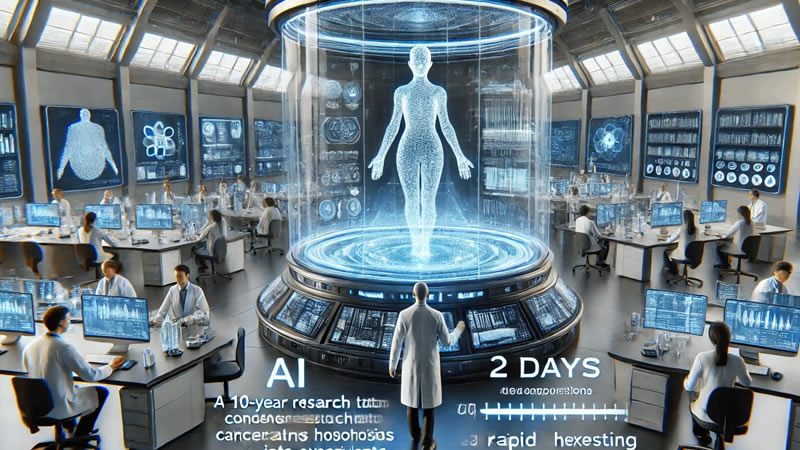
Artificial intelligence is also transforming science and research. Researchers can now process enormous datasets within minutes instead of spending weeks analyzing information manually.
Major areas where AI is creating breakthroughs include:
- Medical diagnosis
- Drug discovery
- Climate prediction
- Space exploration
- Robotics
- Advanced manufacturing
Scientists are using AI to identify patterns that humans might miss, making research faster and more reliable. Universities and research organizations are increasingly investing in AI-powered laboratories to improve productivity and innovation Millie Bobby Brown Latest News & Style 2026 – See what’s trending with Hollywood stars right now..
For students and professionals, this means future careers will require both technical knowledge and the ability to work alongside intelligent systems.
technology emerging technologies – AI Is Working Alongside Other Emerging Technologies
Artificial intelligence is becoming the foundation of many modern technologies rather than existing as a standalone innovation.
Some of the fastest-growing technology combinations include:
- AI + Robotics
- AI + Internet of Things (IoT)
- AI + Cloud Computing
- AI + Cybersecurity
- AI + Blockchain
- AI + Augmented Reality (AR)
These integrations allow businesses to automate operations, improve security, predict customer behavior, and create smarter digital experiences.
For example, AI-powered cybersecurity tools can detect unusual activity in real time, while AI-driven IoT systems can automatically optimize energy usage in factories and smart cities.
This combination of emerging technologies is expected to define the next decade of digital transformation.
latest ai trends – What Experts Expect Next
While today’s AI tools are already impressive, experts believe the next wave of innovation will focus on making AI more accurate, personalized, and trustworthy.
Some important trends to watch include:
- Smaller but more efficient AI models
- AI agents capable of completing multi-step tasks
- Personalized AI assistants
- Stronger AI safety regulations
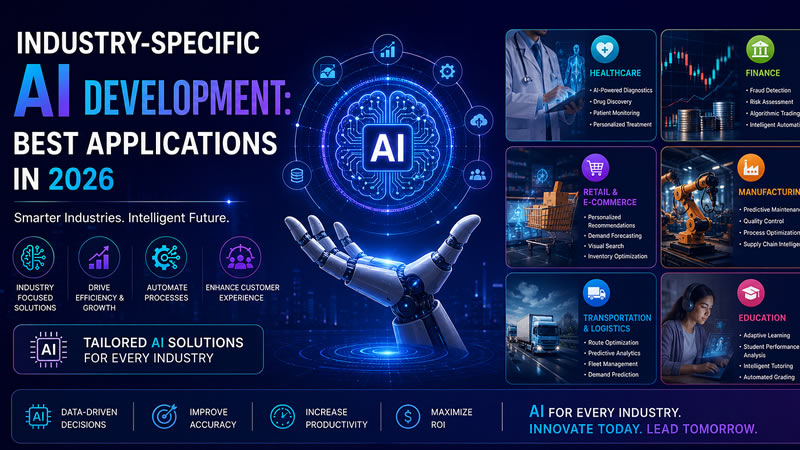
- Industry-specific AI solutions
- Increased collaboration between humans and AI
Rather than simply generating content, future AI systems will help people plan projects, analyze data, automate workflows, and make smarter business decisions.
Businesses that start adapting to these technologies today will be better positioned to compete in an increasingly AI-driven economy.
future ai – Where Is AI Headed After 2026?
One of the most common questions people ask today is, where is AI headed? Looking at the rapid pace of innovation, it’s clear that artificial intelligence will become even more integrated into our daily lives over the next few years.
The next generation of AI won’t just answer questions or generate content—it will help businesses make decisions, automate complete workflows, and provide personalized assistance based on user behavior. This is why many experts believe the future AI ecosystem will focus more on intelligent collaboration rather than simple automation.
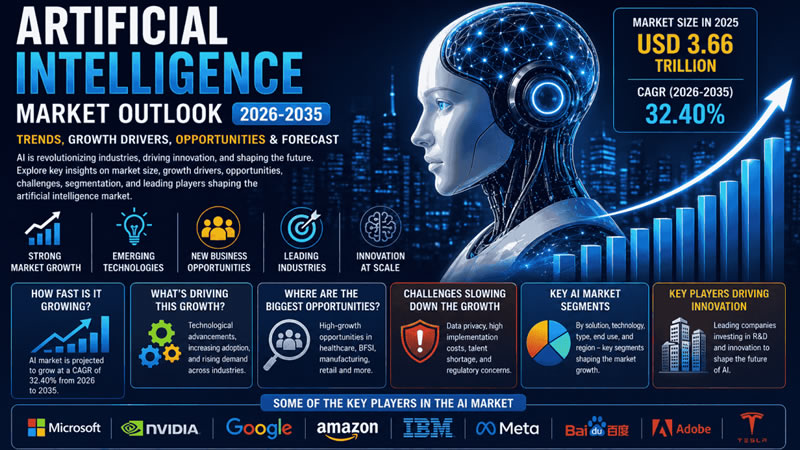
We are also seeing a big tech AI shift, with companies investing billions of dollars into building more capable AI models. These investments are driving faster innovation in healthcare, finance, education, manufacturing, and customer service.
However, businesses should remember that AI is still a tool. The companies that achieve the best results will combine AI with human creativity, strategic thinking, and real-world experience.
technology trends – What Businesses Should Do Next
Keeping up with technology trends is becoming essential for businesses of every size. Organizations that delay AI adoption may struggle to compete with companies already using intelligent automation and data-driven decision making.
To prepare for the future, businesses should:
- Invest in AI education for employees.
- Start with small AI projects before large-scale implementation.
- Choose AI tools that solve real business problems.
- Monitor new developments in AI news and emerging technologies.
- Continuously evaluate AI performance and improve workflows.
Following these steps allows companies to adopt AI confidently while minimizing unnecessary risks.
Final Thoughts
The latest trends in generative AI show that artificial intelligence is no longer just another technology trend—it has become a major force behind digital innovation.
From improving business productivity to accelerating scientific research and transforming customer experiences, AI is changing how organizations operate around the world.
Whether you’re a business owner, marketer, student, developer, or technology enthusiast, understanding these changes today will help you stay ahead tomorrow.
The future belongs to people who learn how to work with AI—not compete against it.
Frequently Asked Questions (FAQs)
1. What are the biggest trends in generative AI in 2026?
The biggest trends include AI automation, intelligent assistants, multimodal AI models, personalized AI experiences, and wider business adoption across industries.
2. Why is AI becoming important for businesses?
AI helps businesses improve productivity, automate repetitive work, reduce costs, and make faster decisions using data-driven insights.
3. Where is AI headed after 2026?
Experts believe AI will become more personalized, more autonomous, and more deeply integrated into business software, education, healthcare, and everyday life.
4. What industries are adopting AI the fastest?
Healthcare, finance, retail, education, software development, manufacturing, and digital marketing are among the fastest-growing AI adopters.
5. Will AI replace human jobs?
AI is more likely to change how people work rather than replace everyone. Professionals who learn to use AI effectively will have a stronger advantage in the future.