

Best Startup Ideas for Aspiring Entrepreneurs
Starting a business often begins with a spark, an idea that can be transformed into a successful venture. But for many aspiring entrepreneurs, the hardest part isn’t building a company; it’s figuring out the right startup ideas to pursue. Choosing the right business concept is crucial, as it sets the foundation for everything that follows: strategy, funding, branding, and long-term growth. In today’s rapidly evolving world, finding profitable yet sustainable entrepreneurial ideas requires research, creativity, and practical decision-making.

This article will explore proven ways to discover the right startup ideas, evaluate their potential, and take the first steps toward turning them into thriving businesses. Whether you’re aiming for small entrepreneur ideas or big, scalable ventures, the goal is to align your idea with your skills, passions, and market needs.
Understanding the Importance of the Right Startup Idea
A startup is more than just a company; it is often a reflection of an entrepreneur’s vision and determination. The wrong idea, no matter how exciting it sounds, can lead to wasted resources and frustration. On the other hand, the right startup idea has the power to grow into a sustainable business that not only earns profits but also solves real-world problems.
The key is balance. Good entrepreneur ideas usually meet three conditions: they address a genuine need in the market, they fit the founder’s skillset, and they have potential for profitability. Without these elements, even the most creative concept can struggle to survive.
How to Brainstorm Startup Ideas
Finding strong startup ideas isn’t just about waiting for inspiration. It’s about taking deliberate steps to explore opportunities and identify problems worth solving. Here are a few strategies to help:
1. Identify Problems Around You
Many of the most successful companies started with a simple observation: something wasn’t working as well as it should. Uber came from frustrations with taxis, while Airbnb began as a solution for affordable lodging. Look around your community, workplace, or industry and note the challenges people face daily. Each problem could be the seed of a great business.
2. Explore Your Passions and Skills
If you’re passionate about health, tech, or education, focus on entrepreneurial ideas that align with those areas. Passion keeps you motivated, while skills give you the ability to execute effectively. A startup founded on both is more likely to succeed.
3. Analyze Emerging Trends
Startups thrive when they adapt to changes. New technologies, lifestyle shifts, and social trends create endless opportunities. From green energy to remote work solutions, many small entrepreneur ideas emerge by staying ahead of the curve.
4. Research Market Gaps
Study industries where demand is high but supply is low. For example, if there are no quality meal delivery services in your city, that could be a viable startup idea. Researching competitors and customer reviews is a smart way to spot gaps in the market.
Evaluating Your Startup Ideas
Once you’ve brainstormed a list of potential entrepreneur ideas, the next step is to evaluate them critically. Not every idea is worth pursuing. Here are essential factors to consider:
Market Demand
Ask yourself: are people actively looking for this product or service? Startup ideas without demand are unlikely to succeed, no matter how innovative.

Scalability
Some small entrepreneur ideas are perfect for side businesses but may not scale into larger companies. Decide if your goal is a small, steady income stream or a scalable startup with big growth potential.
Profitability
A business must make financial sense. Estimate costs, pricing models, and profit margins before committing to an idea.
Competition
Research existing businesses offering similar services. High competition can be tough, but if you can differentiate yourself, the opportunity still exists.
Personal Fit
The best entrepreneur ideas are those you can see yourself working on for years. Consider your strengths, weaknesses, and long-term vision.
Examples of Startup Ideas Worth Exploring
To make the concept more practical, here are some promising startup ideas that combine market demand with innovation:
Eco-Friendly Products: With sustainability gaining importance, offering reusable, recyclable, or eco-conscious goods is a strong business opportunity.
Online Learning Platforms: Education is shifting online, and specialized courses, tutoring, or skills training can be highly profitable.
Health and Wellness Services: From fitness apps to healthy meal plans, wellness remains a growing trend.
Freelancer Marketplaces: With remote work rising, connecting freelancers with businesses is a strong entrepreneurial idea.
AI-Powered Tools: Automation and artificial intelligence are creating new opportunities for productivity software and niche services.
These are just starting points, but they demonstrate how small entrepreneurial ideas can grow into impactful startups when aligned with market demand.
Mistakes to Avoid When Choosing a Startup Idea
While searching for the right startup ideas, entrepreneurs often make common mistakes:
Chasing Trends Blindly: Just because something is popular doesn’t mean it will last. Not all fads become sustainable businesses.
Ignoring Customer Needs: Businesses that focus too much on the founder’s vision and not enough on the customer often fail.
Underestimating Competition: Thinking you have no competitors usually means you haven’t researched enough.
Skipping Validation: Never invest heavily without testing your idea first. A simple survey or pilot project can save years of effort.
Avoiding these mistakes can save valuable time and resources, allowing you to focus on ideas that truly matter.
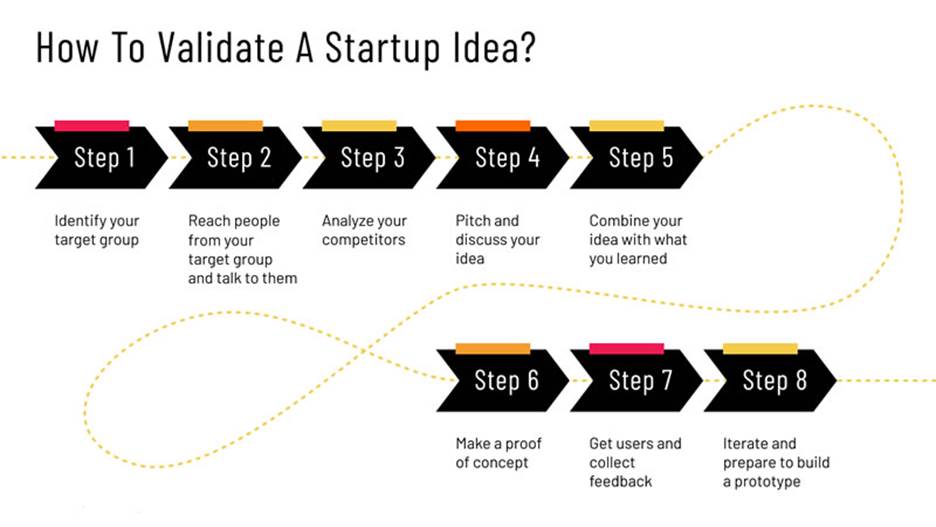
Validating Your Startup Idea
Validation is the process of testing your business concept before fully committing. Even the best entrepreneur ideas need proof that people are willing to pay for them.
Here are a few methods:
Surveys and Interviews: Talk to potential customers to understand their needs and willingness to pay.
Landing Pages: Create a simple website explaining your service and see if people sign up.
Prototypes: Build a basic version of your product to test interest.
Pre-Sales: Offer your product in advance to measure demand.
This approach ensures you’re not building something nobody wants, which is a common reason startups fail.
Taking the First Steps
Once you’ve chosen and validated your startup idea, the next phase is execution. Here’s how to get started:
Create a Business Plan: Outline your goals, target audience, revenue model, and growth strategy.
Secure Funding: Depending on your needs, consider bootstrapping, angel investors, or crowdfunding.
Build a Minimum Viable Product (MVP): Focus on creating the simplest version of your product that solves the problem.
Launch and Collect Feedback: Use customer feedback to improve your offering continuously.
Focus on Marketing: Digital marketing, social media, and SEO are essential for reaching your target audience.
Taking small, consistent steps is better than waiting for the perfect plan. Momentum matters more than perfection.
The Role of Passion and Persistence
Even with the best startup ideas, success doesn’t come overnight. Building a business requires persistence, adaptability, and resilience. There will be challenges, from funding struggles to customer acquisition hurdles. However, if your idea aligns with your passion and addresses a real need, the effort will be worthwhile.
Many entrepreneurs fail not because their ideas were bad, but because they gave up too soon. Passion fuels persistence, and persistence leads to long-term success.
Conclusion
Finding the right idea for your startup is a journey that combines creativity, research, and practicality. The best startup ideas often come from solving real problems, aligning with personal skills, and addressing market demand. Whether you’re looking for small entrepreneur ideas or aiming for a large-scale venture, the key is validation, execution, and persistence.
Remember, no idea is perfect from the beginning. What matters is your ability to adapt, learn, and refine your vision. By staying committed and customer-focused, you can turn your entrepreneurial ideas into a thriving business that makes a lasting impact.
Q1: What is the best way to find startup ideas?
The best way is to identify problems in daily life, research market gaps, and align opportunities with your passion and skills.
Q2: How do I know if my startup idea will succeed?
You can validate your idea by testing it with surveys, landing pages, prototypes, or pre-sales before full investment.
Q3: Are small entrepreneur ideas worth pursuing?
Yes, small entrepreneur ideas can generate steady income, build experience, and often grow into larger businesses over time.
Q4: Should I follow trends when choosing a startup idea?
Trends can inspire ideas, but they should only be pursued if they meet real customer needs and have long-term potential.
Q5: How important is passion in starting a business?
Passion is crucial because it keeps you motivated during challenges and ensures you stay committed to your entrepreneurial ideas.