
Latest Orbital Data Center Breakthroughs, Power Trends 2026
Tech leaders are exploring an orbital data center as the next big step in cloud computing. High energy demands on Earth make off world solar power look very attractive to big tech firms.
Testing an orbital data center in space allows companies to evaluate solar efficiency directly. Placing AI chips in orbit could reduce pressure on local power grids across the country.
Get simple takes on the biggest sports stories, trending internet moments, tech updates, and working Keyless Roblox Scripts shaping American culture today on Think Forges. Connect directly with our growing community on Think Forges Pinterest to save your favorite tech guides.
Essential Dynamics of Space Computing Explained
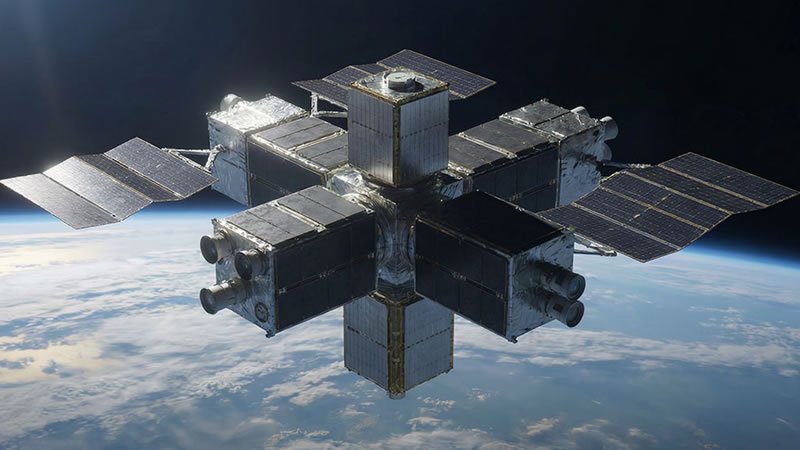
Engineers are putting custom AI chips inside small satellites to test how they handle severe space conditions. These tests help determine whether off world computing can support modern software demands.
- Refrigerator sized test satellites carrying custom AI accelerator hardware
- Solar panels generating limited initial power for short operational bursts
- Malleable thermal materials connecting chips to copper and aluminum heat pipes
- High speed laser connections planned for future satellite networks in orbit
AI Product Strategy: Driving Business Transformation in 2026
In-Depth Analysis and Current 2026 Landscape
Engineers are putting consumer grade and custom chips into space to gather real world operational metrics.
Primary Breakthrough Developments
Recent satellite missions are testing how ground level server hardware handles intense launch vibrations and radiation. These early trials focus on validating thermal management tools during short operational cycles.
Key Factors
- Radiation exposure causing potential bit flips in server processing chips
- Intense launch vibrations and g forces impacting delicate server connections
- Short operational windows capped at fifteen minutes to prevent overheating
Strategic Impact
Successful space trials prove that off the shelf server hardware can endure harsh cosmic environments. This opens new paths for scaling off world computing resources without building massive local facilities.
Consumer and Practical Applications
Everyday internet users may eventually see faster network responses and cleaner energy options as space networks grow. These innovations could help protect public energy grids from heavy commercial demands.
Core Highlights
- Reduced strain on local municipal power supplies and regional electrical grids
- Continuous access to solar energy uninterrupted by earthly weather patterns
- Potential long term reductions in processing costs for heavy digital workloads
Analytical Overview of Current Metrics
| Testing Category | Terrestrial Data Centers | Space AI Satellites |
| Primary Power Source | Local Electrical Grids | Continuous Solar Radiation |
| Hardware Cooling Method | Chilled Liquid and Fan Air | Thermal Pipes and Radiators |
| Physical Deployment Size | Massive Multi Acre Buildings | Compact Refrigerator Satellites |
| Primary Maintenance Risk | Physical Hardware Wear | Cosmic Radiation and Heat |
Practical Implementation and User Guide
Following the progress of off world hardware deployment helps tech fans understand the future of digital infrastructure in 2026.
• Monitor official space launch schedules to track new satellite deployments.
• Read technical updates from aerospace firms building custom satellite buses.
• Follow research papers focused on thermal interface materials and space radiators.
• Track energy policy updates regarding commercial data infrastructure growth.
AI Productivity Tools: 7 Proven AI Productivity Tools to Elevate Your Product Management in 2026
Evaluated Pros and Cons of This Development
Strategic Benefits of Space Hardware
• Direct access to continuous solar energy without atmospheric interference.
• Reduced land use and lower physical footprint on terrestrial communities.
• Elimination of heavy local water usage for large industrial cooling systems.
• Potential for global low latency communication using direct laser arrays.
Operational Limits of Space Hardware
• Extreme thermal management limitations requiring frequent processor shutdowns.
• Risk of electronic damage or calculation errors from cosmic radiation exposure.
• High initial cost associated with orbital rocket launches and custom integration.
Professional Evaluation and Safety Disclaimer
Our research team checks industry news to provide accurate and safe information, but rapid technological shifts may alter specific project timelines.
Readers should treat technical deployment metrics as evolving experimental data. This article is written strictly for educational, research, and informational purposes.
Related Strategic Content Categories
Explore our coverage on automated tools, upcoming innovations, sports recaps, and digital media trends to stay informed about emerging tech shifts.
Final Verdict for Global Enthusiasts
The development of an orbital data center represents an exciting step toward sustainable global computing infrastructure. As thermal management improves, off world processing could reshape how we run intensive software workloads. Count on Think Forges for clear, reliable tech analysis as these space missions unfold.
Frequently Asked Questions
What is the main benefit of putting servers in space?
Moving server hardware into space gives hardware direct access to continuous solar energy. It also helps lower the massive electricity and water demands placed on ground level communities.
Is an orbital data center operational in 2026?
Experimental test satellites are currently operating in 2026 to evaluate hardware durability. Full commercial networks will still require years of testing before becoming mainstream products.
How do engineers cool AI chips in space?
Engineers use malleable thermal interface materials connected to copper heat pipes and radiators. These radiators project heat directly into space during brief operational windows.
Can cosmic radiation damage normal computer chips?
Radiation in space can flip computer bits or permanently damage delicate silicon paths. Testing helps engineers learn how ground level chips perform without expensive specialized shielding.
Why do satellites launch with lower power supplies?
Early test models start small to test core systems without adding unnecessary weight. Small solar setups provide enough energy to test processing chips during short operational spurts.