
The Simple Trick to Overcome Procrastination – Instantly
We’ve all been there. You plan to study, work, or clean, but end up scrolling on your phone instead. That’s procrastination, and it silently keeps you from reaching your goals. The good news? You can beat it with one simple trick: take action instantly for Overcome Procrastination, even if it’s just for two minutes.
When you delay tasks, your brain learns that avoiding work feels rewarding. The trick is to reverse that pattern. The moment you feel like putting something off, do one tiny thing related to it. This activates momentum and makes the task easier to continue. It’s a powerful way to overcome procrastination and build consistency.

Start Small and Build Momentum
Big goals can feel heavy. When they look impossible, you freeze. The key is to break big tasks into smaller steps. For example, if you have to write a report, start with just the title. Once you begin, it becomes easier to continue. This small start creates progress, and progress creates motivation.
Even a two-minute start matters. This idea comes from the Two-Minute Rule, a proven way to stop procrastinating. If a task takes less than two minutes, do it immediately. You’ll be surprised how quickly small actions grow into focused work sessions.
Set Clear Goals and Deadlines
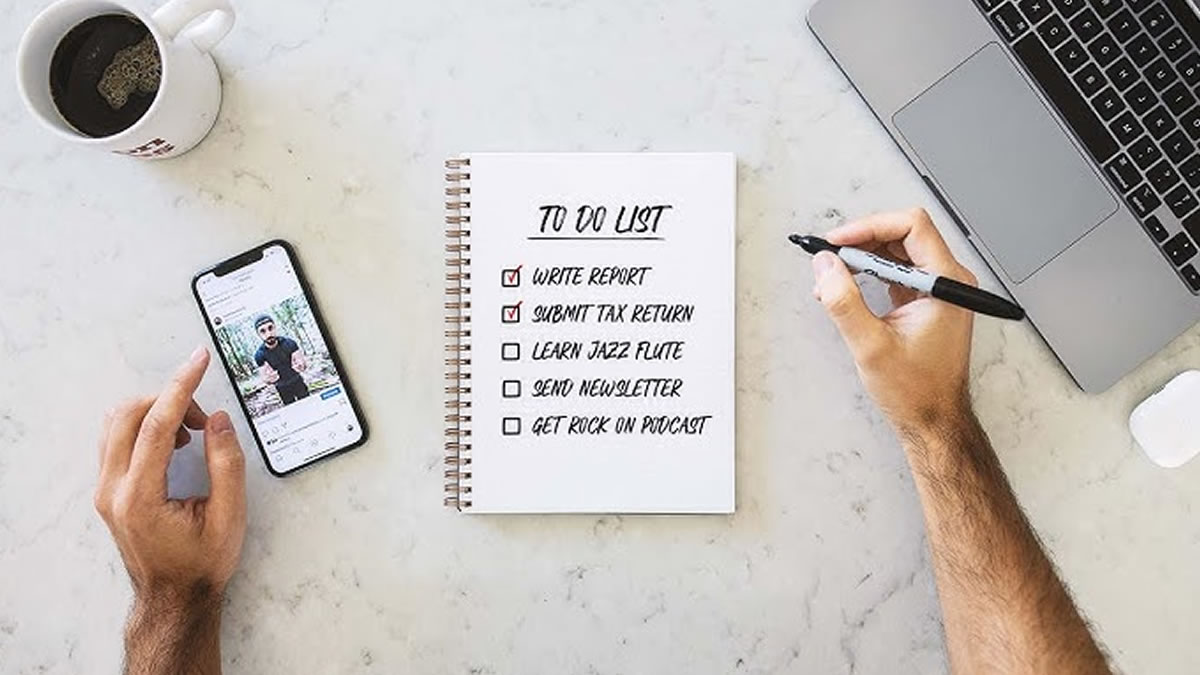
Without direction, it’s easy to drift. Set clear goals and deadlines for everything you do. Deadlines give your mind structure and urgency. If you say, “I’ll do it later,” that “later” rarely comes. But when you set a date and time, your focus sharpens. Use planners, apps, or sticky notes, anything that reminds you of your commitment. This builds time management for students and professionals alike.
Read more How to Create a Killer Pitch Deck That Wins Investors (With Examples)
Eliminate Distractions
Let’s be honest, distractions are everywhere. Social media, phone alerts, random thoughts. To eliminate distractions and focus, turn off notifications, close unnecessary tabs, and work in a clean space. Even better, create a special study or work area. When you sit there, your brain knows it’s time to focus. This simple change helps you stay focused while studying or working.
Use Rewards to Stay Motivated
When you finish a task, reward yourself. It could be a short walk, a snack, or watching your favorite show. These links work with positive feelings and make progress satisfying. Over time, rewards turn effort into habit. You begin to enjoy being productive because it feels good, not forced. This small psychological shift helps you beat procrastination naturally.
Visualize Your End Goal
Visualize what success feels like. Picture the moment you finally finish that project or exam prep. Feel the relief and pride. This trick strengthens your “why,” your reason to act. Athletes and entrepreneurs often use visualization to keep their focus strong. When your purpose feels real, it’s easier to overcome procrastination and move forward.
Read more Stop Guessing! These SEO Tools Show What’s Really Working
Forgive Yourself and Restart
Sometimes, even with good habits, you’ll slip. Don’t waste time feeling bad about it. Forgive yourself and start again. Each restart builds mental strength. Remember, progress isn’t perfect; it’s steady. Accepting mistakes without guilt is one of the healthiest ways to stop procrastinating.
Work with Accountability
If you struggle to stay consistent, tell someone your goals. A friend, parent, or classmate can keep you accountable. Share deadlines or progress updates. Knowing someone might ask, “Did you finish?” can motivate you to stay on track. Accountability boosts both productivity tips for students and adults trying to meet goals.
Create a Routine That Sticks
Habits are stronger than motivation. You won’t feel inspired every day, but if you build a routine, action becomes automatic. Set fixed study or work times. Treat them like appointments you can’t miss. Once your brain learns this pattern, it becomes natural to start and harder to avoid.
Read more Want to Be a Machine Learning Engineer? Learn These 7 Skills
Manage Your Time Wisely
Good time management is key to success. Break your day into blocks: study, rest, and relax. This structure helps your brain stay balanced. When you plan your day, you reduce mental clutter and focus better. Over time, this builds long-term discipline and helps you achieve your goals faster.
Stay Consistent and Patient
Consistency beats Stop procrastinating intensity. Even doing small tasks daily is better than big efforts once a week. Keep pushing, even when motivation fades. Success grows from steady effort. As you practice these habits, procrastination will slowly lose its grip on your life.
FAQs
Q1: What is the best way to stop procrastination instantly?
The Two-Minute Rule is the fastest method. If a task takes less than two minutes, do it immediately. This kills hesitation and starts momentum.
Q2: Why do people procrastinate?
Most people procrastinate due to fear of failure, perfectionism, or overwhelm. Breaking tasks into smaller steps helps reduce that pressure.
Q3: How can students overcome procrastination?
Students can overcome procrastination by setting study schedules, creating distraction-free spaces, and using accountability partners.
Q4: What are some time management tips for students?
Set daily goals, use planners, and follow a consistent routine. Divide big assignments into smaller chunks to stay productive.
Q5: How long does it take to build focus and discipline?
It depends on consistency. Usually, following a focused routine for three weeks helps form habits and makes it easier to stay motivated.